
Photographic safaris in Tanzania offer an exceptional opportunity to explore, document, and share some of the most spectacular landscapes, wildlife, birds, cultures, and coastal scenery in Africa. If you want to explore the beauty of nature while creating photographs that preserve Tanzania’s extraordinary natural heritage, a Tanzania photography safari can combine adventure, wildlife viewing, conservation, and creative work in one unforgettable experience.

Tanzania is particularly rewarding for photographers because its safari destinations offer an extraordinary variety of subjects. From the wildlife-rich plains of the Serengeti and the landscapes of the Ngorongoro Conservation Area to Lake Manyara, Mount Kilimanjaro, and the islands and beaches of Zanzibar, there are opportunities for wildlife photography, landscape photography, bird photography, cultural photography, and travel photography.
Photography can also play an important role in documenting Tanzania’s natural environments. Images captured over many years can help illustrate changes in landscapes, wildlife habitats, vegetation, water levels, and other environmental conditions. Tourism photography can therefore go beyond creating beautiful images; it can contribute to storytelling, conservation awareness, education, and advocacy for the protection of natural habitats and communities.
Photography Rules and Permits in Tanzania
Photographers should always understand the rules applying to the specific destination and intended use of their photographs. Ordinary holiday photography is different from commercial photography and filming.
In Tanzania’s national parks, TANAPA states that taking photographs or making cinematographic material for a commercial purpose, directly or indirectly, requires a filming permit to be obtained beforehand. The use of photographic or filming material obtained from a national park for commercial purposes is also subject to the applicable permit requirements.
This means professional photographers, filmmakers, content creators, advertising teams, publishers, and other visitors intending to use images commercially should make the necessary arrangements before beginning their photography safari.
Photographers should also exercise common courtesy and prudence when taking photographs and sharing them on different platforms. Particular care is important when photographing people, especially children. Whenever photographing communities or individuals, it is important to respect privacy, dignity, consent, and local customs and to avoid images that dehumanize people or exploit vulnerability.
Drone Photography in Tanzania
A drone can add another dimension to a Tanzania photography safari, particularly for capturing landscapes, coastlines, forests, and other broad perspectives. However, drones are not something visitors can simply bring into Tanzania and fly wherever they wish.
Tanzania Civil Aviation Authority (TCAA) guidance states that drone operations require approval and permits, including registration and an operations permit. Non-residents bringing drones into Tanzania also need the appropriate import authorization and are advised to begin the application process well before arrival.
National parks have additional restrictions. TANAPA requires additional authorization for drone operations within national parks, and its published procedures require approvals from the relevant authorities as well as authorization from the Conservation Commissioner.
Therefore, if aerial photography is an important part of your safari, arrange the required permissions before travelling rather than assuming that a recreational drone can be flown freely. TCAA’s current guidance also notes that national parks are restricted areas for drone operations unless the appropriate permission has been obtained.
Best Places for Photographic Safaris in Tanzania
Tanzania has a remarkable range of photographic destinations. The best choice depends on whether your priority is wildlife, birds, landscapes, mountains, culture, beaches, or a combination of subjects.
Lake Manyara National Park – Bird and Wildlife Photography
Lake Manyara is one of the fascinating destinations for photographers travelling through northern Tanzania.
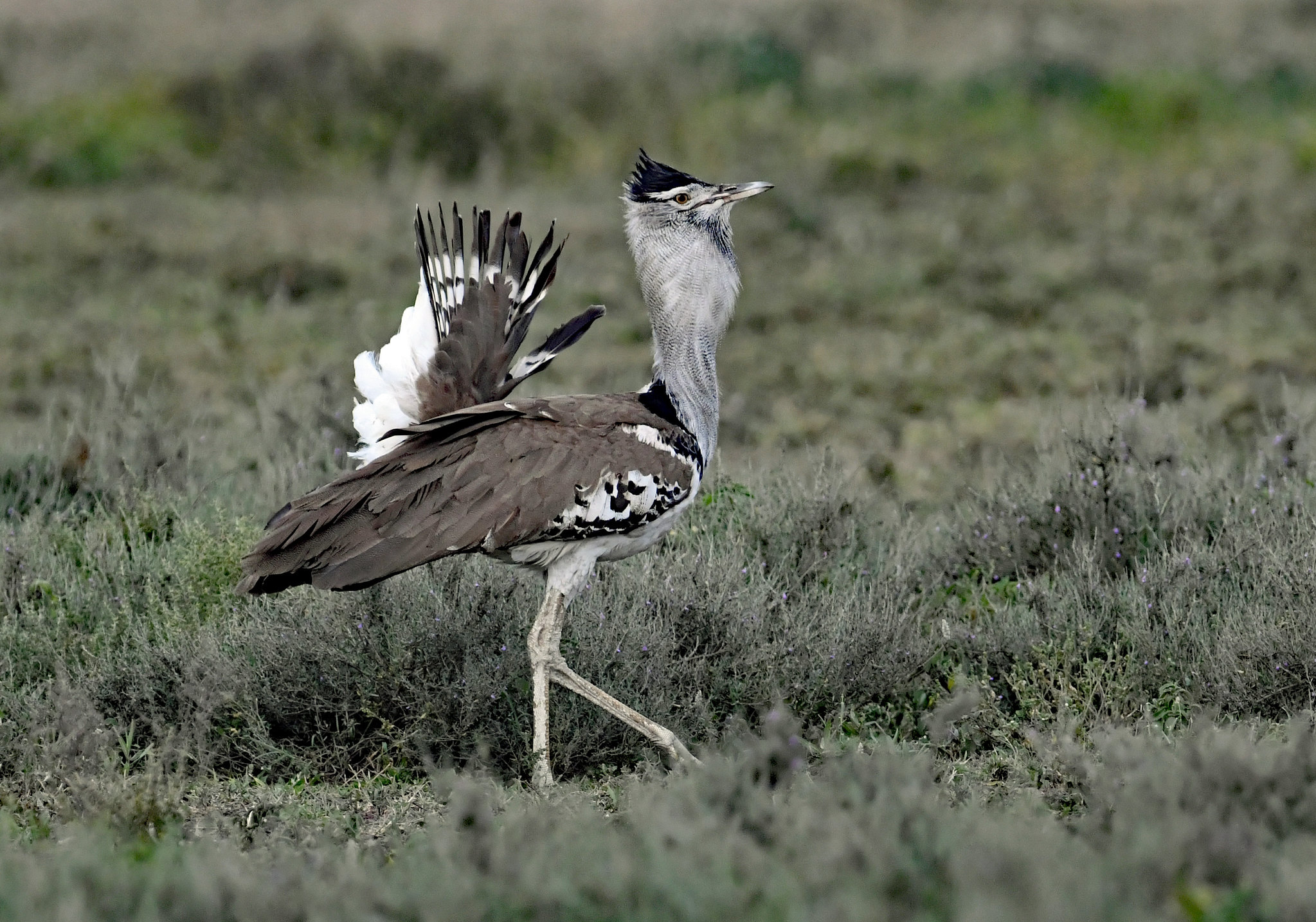
For bird photographers, the lake and surrounding ecosystem provide opportunities to photograph a wide variety of bird species. Depending on seasonal conditions and water levels, flamingos can create spectacular scenes, with large numbers of birds forming a striking backdrop across the lake.
For the patient photographer, the challenge can be to isolate a single flamingo standing elegantly on one leg against the surrounding water and flock. Rather than photographing only individual animals, you can also create wider compositions showing the relationship between birds, water, vegetation, and the surrounding landscape.
Lake Manyara also provides opportunities for wildlife photography. Hippos, monkeys, elephants, and other wildlife can be photographed within the varied ecosystems surrounding the lake. Combining animals with their natural environment can produce stronger storytelling images than simply photographing wildlife in isolation.
For photographers interested in environmental documentation, returning to Lake Manyara at different times of the year can also create a valuable visual record of changing water levels, vegetation, bird populations, and other features of the ecosystem.
Mount Kilimanjaro – Mountain and Landscape Photography
If you are both a photographer and a hiker looking for a physical challenge, Mount Kilimanjaro photography can take your work to another level.
The climb provides constantly changing environments, beginning with forest and progressing through different vegetation zones toward the mountain’s higher elevations. Along the route, photographers can encounter wildlife such as monkeys and capture changing landscapes as the altitude increases.
And then there is the practical challenge: carrying photography equipment up the mountain. A serious photographer may quickly discover that lenses, camera bodies, batteries, tripods, and other equipment can make a climb considerably more demanding. You may even feel that you need a separate porter simply to carry your photography gear!
The rewards, however, can be extraordinary. Mountain landscapes, sunrise and sunset scenes, high-altitude environments, and views from the summit can provide some of the most memorable images of a Tanzania photographic safari.
A drone might appear to be an attractive addition for capturing the mountain from above, but drone use requires advance authorization and compliance with Tanzania’s aviation regulations. Drone operations in protected areas such as national parks also require additional permission.
Serengeti National Park – Wildlife Photography
 For many photographers, the Serengeti National Park is one of the defining destinations for a Tanzania wildlife photography safari.
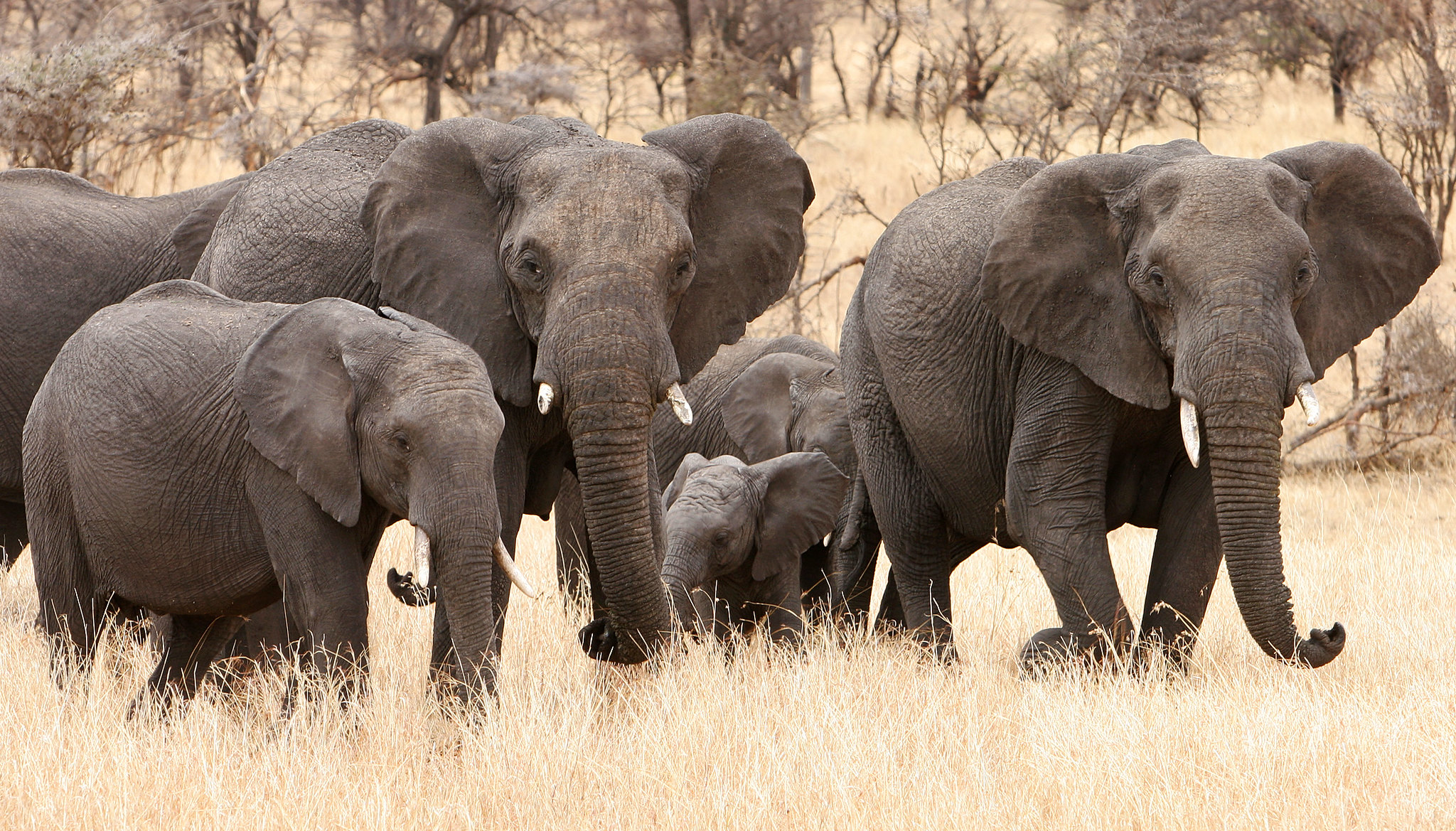
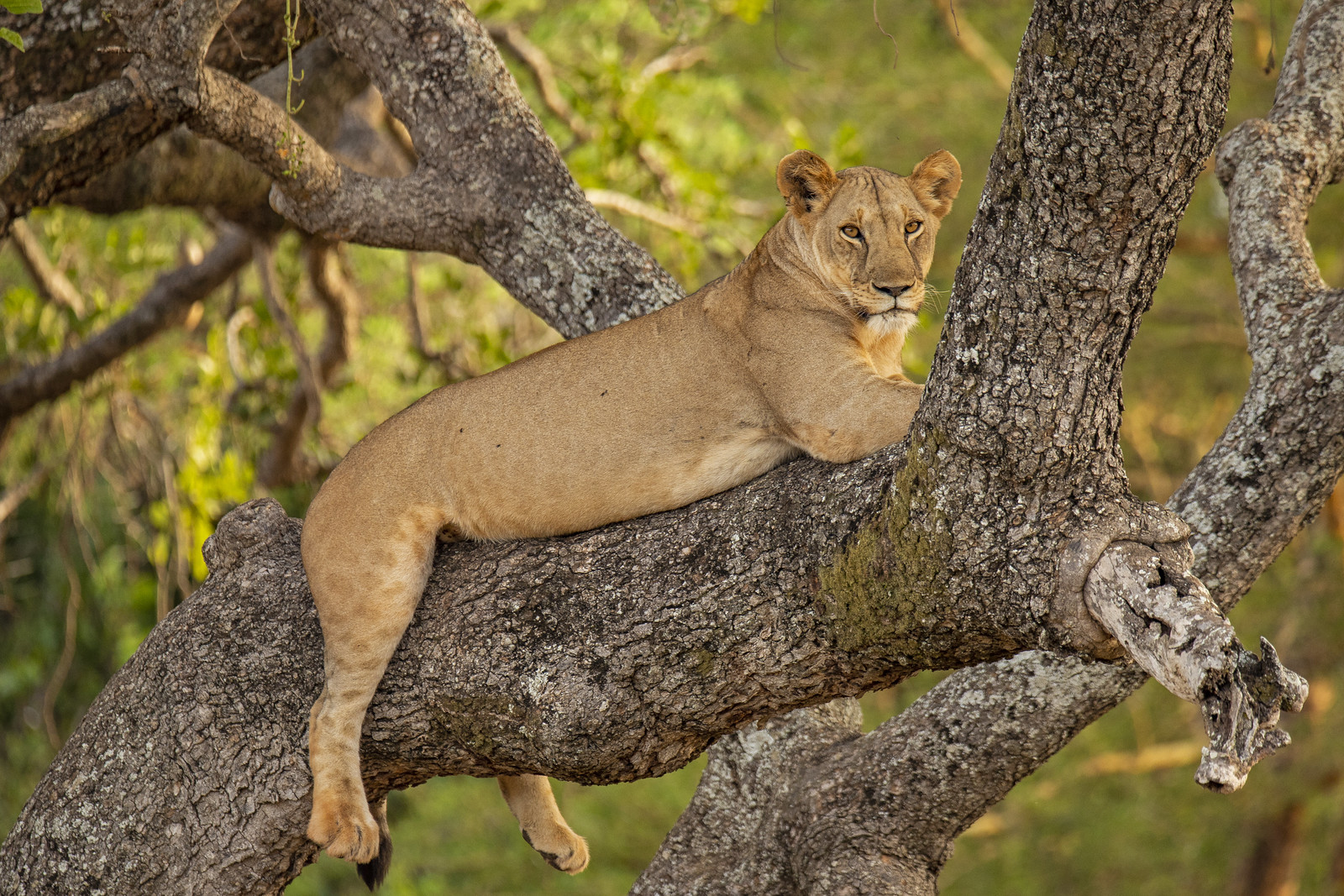
The vast plains provide opportunities to photograph lions, leopards, cheetahs, elephants, giraffes, zebras, wildebeest, birds, and many other species. The open landscapes also allow photographers to experiment with wide environmental compositions rather than concentrating exclusively on close-up wildlife portraits.
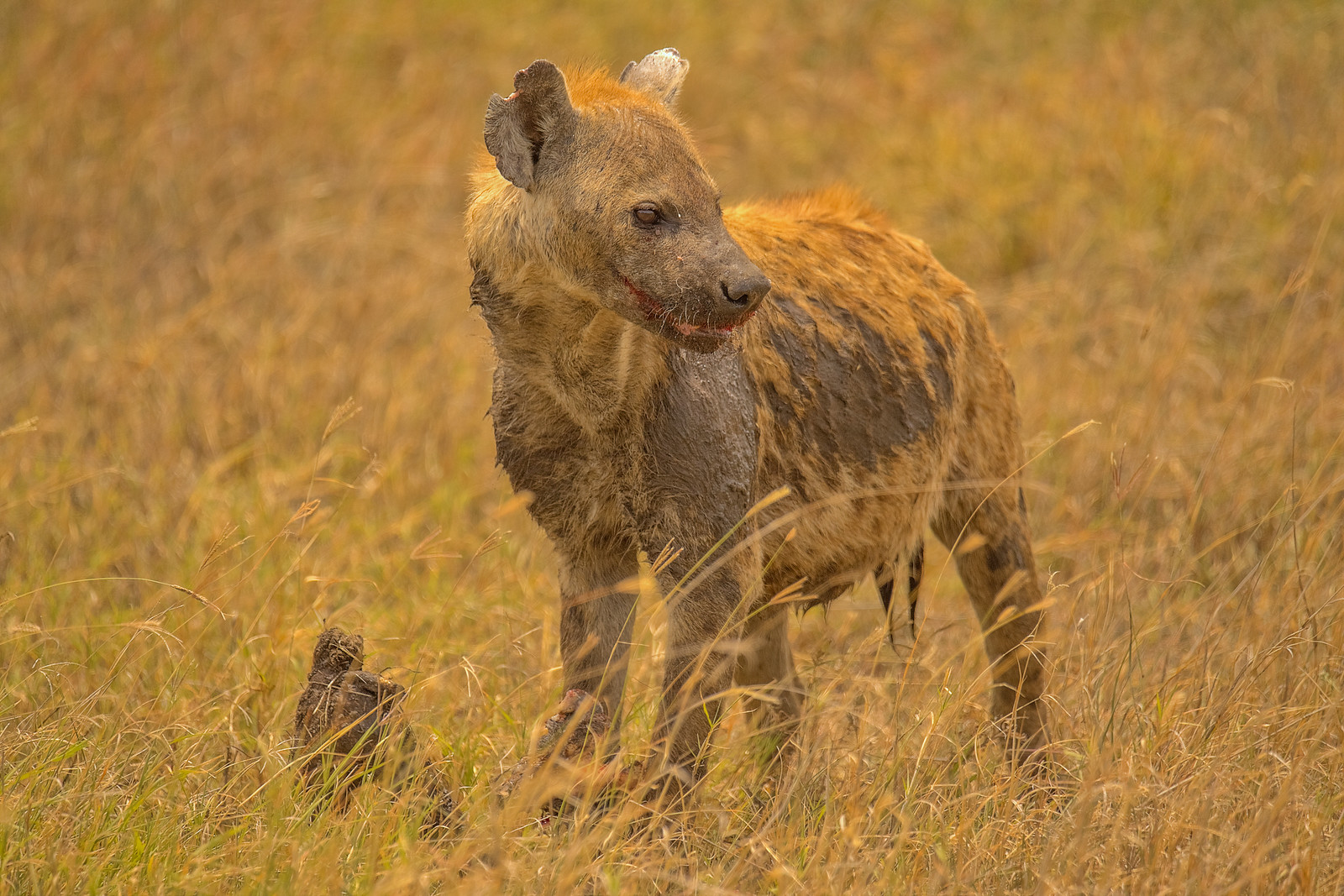
The Serengeti is particularly valuable for photographers interested in documenting animal behaviour. A patient photographer can capture hunting sequences, predator-prey interactions, family groups, territorial behaviour, courtship, and other natural events.
The annual wildebeest migration can provide another major photographic opportunity, although the exact location and timing of wildlife activity vary with seasonal conditions. Tanzania’s tourism authorities currently highlight the Serengeti, Ngorongoro, and Tarangire as key destinations on the northern safari circuit and specifically identify photographic safari experiences among the attractions.
Ngorongoro Crater – Wildlife and Landscape Photography
 The Ngorongoro Crater combines wildlife photography with dramatic landscape photography. Its enclosed volcanic landscape provides opportunities to photograph wildlife against a distinctive natural backdrop.
A photographic safari in Ngorongoro can include large mammals, birds, landscapes, and interactions between wildlife and their environment. The elevated viewpoints around the crater also create opportunities for broader landscape compositions before descending into the crater for wildlife viewing.
For photographers interested in conservation storytelling, Ngorongoro can provide another setting for documenting the relationship between wildlife, landscape, and people within a major conservation area.
Tarangire National Park – Elephants and Baobab Photography
Tarangire National Park is another important destination for a Tanzania wildlife photography safari. The park is particularly associated with elephants, ancient-looking baobab trees, and scenic landscapes.
The combination of elephants and baobabs provides excellent opportunities for environmental wildlife photography, where the landscape becomes an important part of the image. Instead of photographing an elephant as an isolated subject, you can frame it against a giant baobab, open grassland, or the surrounding woodland.
Tanzania’s tourism authorities identify Tarangire’s elephant herds and baobab landscapes among the highlights of the northern safari circuit.
Cultural Tourism Photography in Tanzania
Cultural tourism photography can become one of the most meaningful parts of a Tanzania photography safari.

Meeting local communities provides opportunities to document traditional lifestyles, architecture, crafts, food, ceremonies, clothing, landscapes, and everyday activities. These experiences can leave you with photographs that tell stories far beyond conventional wildlife photography.
However, cultural photography requires particular sensitivity. A photograph of a person should not simply be treated as another safari subject. Ask permission where appropriate, respect cultural practices, and be particularly careful when photographing children. The objective should be to create dignified images that represent people respectfully rather than images that portray poverty or vulnerability simply for dramatic effect.
The experience may take you from graceful smiles and traditional settings to scenes of everyday life, food preparation, livestock, and community activities. Some moments can be spontaneous and difficult to capture clearly, but they can also become some of the most memorable photographs of your journey.
The important thing is to remember that behind every photograph is a real person and a real community. Good cultural photography is therefore built on respect, patience, communication, and understanding.
Zanzibar – Architecture, Beaches and Coastal Photography
In Zanzibar, photographers can explore a completely different side of Tanzania.
The historic architecture, narrow streets, carved doors, markets, coastal communities, traditional boats, beaches, and Indian Ocean scenery provide a rich collection of subjects for travel and cultural photographers.
 Zanzibar’s distinctive doors and architecture are particularly attractive to photographers looking for details that communicate the history and character of the islands. The combination of old buildings, carved doors, streets, people, and changing light can create an extensive collection of travel photographs.
The beaches provide another photographic experience altogether. You can capture white sands, turquoise water, traditional boats, sunsets, marine environments, and the relationship between people and the coast.
For a different perspective, a boat excursion can take you toward offshore islands and marine environments, allowing you to photograph Zanzibar’s beaches and coastline from the water. Zanzibar beaches can provide particularly striking images when combined with clear tropical water and changing light.
Mnemba Island is another location that photographers may want to consider for its beaches, marine environment, water, and luxury facilities. Photography here can provide a contrasting visual story to the wildlife landscapes of northern Tanzania.
Photography as a Tool for Conservation
Photography is increasingly important in telling conservation stories. A single image can communicate changes in wildlife habitats, landscapes, water resources, vegetation, and human-environment relationships in ways that are immediately understandable to audiences around the world.
Returning to the same location over several years can make this even more powerful. Photographers can create visual comparisons showing how a landscape, lake, forest, coastline, or community changes over time.
These images can support educational projects, conservation campaigns, tourism storytelling, publications, and fundraising efforts aimed at protecting natural habitats and supporting communities.
The growing use of artificial intelligence can also help researchers and conservation communicators analyse visual information and develop models or scenarios based on historical and current data. However, AI-generated predictions should be clearly distinguished from actual photographic evidence and scientific measurements.
Planning a Tanzania Photography Safari
A successful photographic safari in Tanzania requires more preparation than simply carrying a camera on an ordinary wildlife trip.
Consider the following when planning:
- Choose destinations according to your photography interests, whether wildlife, birds, landscapes, culture, mountains, or beaches.
- Carry appropriate lenses for both close wildlife portraits and environmental compositions.
- Bring sufficient batteries, memory cards, and backup storage.
- Consider weather and lighting conditions when planning your itinerary.
- Allow enough time at photographic locations rather than rushing between destinations.
- Use a knowledgeable safari guide who understands wildlife behaviour and can help position the vehicle appropriately.
- Respect park regulations and wildlife-viewing rules.
- Obtain commercial photography permits where required.
- Obtain all required drone permits before travelling if aerial photography is part of your plan.
- Ask permission and respect privacy when photographing people.
- Avoid disturbing wildlife simply to obtain a photograph.
- Consider returning to the same location over different seasons if your goal is long-term environmental documentation.
Experience Tanzania Through the Camera
Photography is a wonderful excuse to explore Tanzania while creating a visual record of its wildlife, landscapes, cultures, mountains, lakes, and beaches.
From flamingos at Lake Manyara and elephants beneath Tarangire’s baobabs to the vast landscapes of the Serengeti, the dramatic Ngorongoro Crater, the challenging slopes of Mount Kilimanjaro, and the beaches and architecture of Zanzibar, Tanzania offers an extraordinary range of subjects for photographers.
Whether your goal is a wildlife photography safari in Tanzania, a professional commercial photography project, a bird photography trip, landscape photography, cultural documentation, or simply building a personal collection of unforgettable images, Tanzania provides the setting for an exceptional photographic journey.
Most importantly, take photographs with respect—for the wildlife, the environment, the communities, and the people who make Tanzania such a remarkable destination. The strongest photographic safari is not simply about how many images you bring home, but about the stories those images can tell and the contribution they can make to appreciating and protecting Tanzania’s natural and cultural heritage.
