
Tanzania safaris offer an extraordinary opportunity to explore one of Africa’s most diverse and spectacular destinations. Located in East Africa, Tanzania is renowned for its incredible natural beauty, rich biodiversity, and world-famous wildlife destinations.

From the snow-capped summit of Mount Kilimanjaro to the endless savannas of the Serengeti, Tanzania is a paradise for nature lovers, wildlife enthusiasts, adventure seekers, and travelers looking for unforgettable experiences.
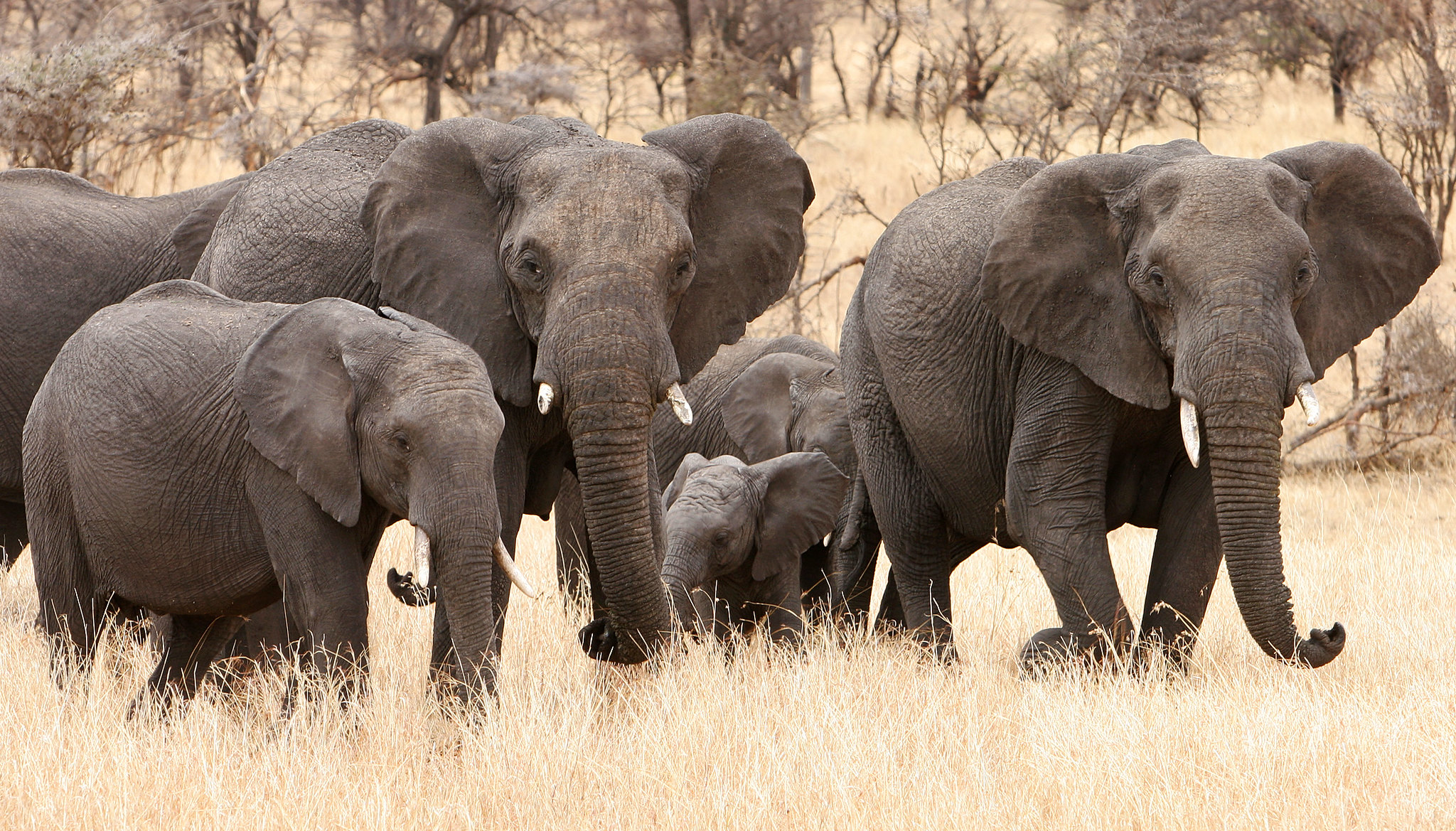
Tanzania is home to numerous national parks, game reserves, conservation areas, forests, mountains, lakes, and coastal destinations that provide habitats for an incredible variety of wildlife and plant species. From the majestic lions and elephants of the Serengeti to chimpanzees in the forests of western Tanzania, the country’s protected areas offer exceptional opportunities for wildlife viewing and nature exploration.
The country’s unique geography, which includes the Great Rift Valley, the Ngorongoro Highlands, vast savannas, mountains, lakes, forests, and the coastline of the Indian Ocean, has created a remarkable variety of ecosystems that support an astonishing range of wildlife and bird species.
Whether you are interested in witnessing the Great Migration of wildebeests, tracking Africa’s Big Five—lion, leopard, rhinoceros, elephant, and Cape buffalo—or simply experiencing the beauty of Tanzania’s wilderness, Tanzania safari tours offer an unforgettable adventure.
Types of Safaris in Tanzania
Tanzania offers a wide range of safari experiences to suit different interests, travel styles, and budgets. From traditional wildlife safaris and primate trekking to cultural tours, beach holidays, birdwatching, and mountain hiking, there are many ways to explore the country.
Wildlife Safaris
Tanzania is renowned for its incredible wildlife and is one of Africa’s leading safari destinations. One of the country’s most famous wildlife destinations is Serengeti National Park, which is home to the Great Migration, one of the largest and most spectacular wildlife migrations on Earth.
Every year, more than a million wildebeest, together with large numbers of zebras and gazelles, move across the Serengeti ecosystem in search of fresh grazing and water. Their movement is accompanied by predators such as lions, leopards, and cheetahs, creating exceptional wildlife-viewing opportunities.
Serengeti National Park is also home to hundreds of bird species, including the Malachite Kingfisher, Nubian Woodpecker, Red-and-Yellow Barbet, and Grey Crowned Crane, among many others.
Another iconic wildlife destination is the Ngorongoro Conservation Area, which supports a remarkable concentration of wildlife, including lions, buffaloes, elephants, rhinoceroses, wildebeest, zebras, and many other species.
In addition to Serengeti National Park and the Ngorongoro Conservation Area, Tanzania is home to other outstanding wildlife destinations. Tarangire National Park is known for its beautiful scenery, large elephant populations, ancient baobab trees, and diverse wildlife, including giraffes and several species of antelope.
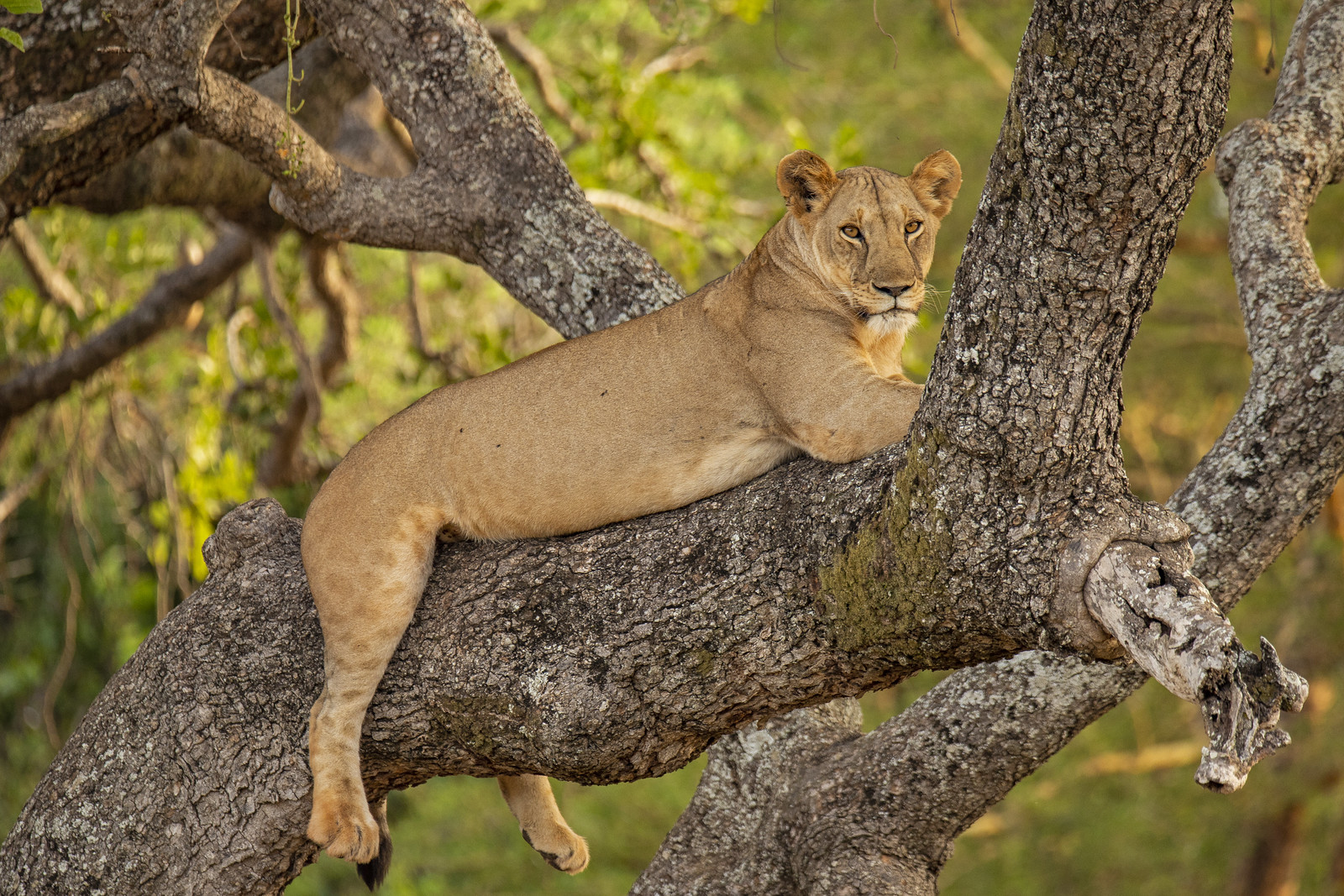
Lake Manyara National Park is another popular safari destination, offering opportunities to see a wide range of wildlife, including elephants, buffaloes, giraffes, hippos, crocodiles, and the park’s famous tree-climbing lions.
Primate Safaris
Tanzania is home to several primate species, including chimpanzees, baboons, colobus monkeys, vervet monkeys, and mangabeys. The country’s forests and national parks provide important habitats for these fascinating animals and offer visitors opportunities to observe primates in their natural environment.
One of the most popular primate experiences in Tanzania is chimpanzee trekking in Gombe National Park. Visitors can trek through the forest in search of chimpanzees and observe them in their natural habitat.
During a chimpanzee trekking experience in Gombe, visitors are guided through lush forests where they may observe chimpanzees foraging for food, playing, caring for their young, and socializing with one another.
Another important destination for chimpanzee trekking is Mahale Mountains National Park, located on the shores of Lake Tanganyika. Mahale is renowned for its habituated chimpanzee population and spectacular combination of forested mountains, wildlife, and lakeshore scenery.
Cultural Tours
Tanzania is home to more than 120 ethnic groups, each with its own culture, language, traditions, and history. Among the country’s best-known communities are the Maasai and Chagga people.
The Maasai are known for their distinctive clothing, intricate beadwork, traditional dances, and rich cultural traditions. Visitors can experience Maasai culture by visiting communities and learning about their daily lives, traditions, customs, and relationship with the surrounding environment.
Cultural tours provide an opportunity to complement a wildlife safari with meaningful encounters with local communities and a deeper understanding of Tanzania’s diverse cultural heritage.
Beach Tours
Tanzania is one of the leading beach destinations in East Africa and offers excellent opportunities to combine a wildlife safari with a relaxing beach holiday.
One of the most popular beach destinations is Zanzibar, an archipelago located off the coast of mainland Tanzania. Zanzibar’s main islands include Unguja and Pemba. The destination is famous for its beautiful beaches, turquoise waters, vibrant culture, and historic Stone Town.
Another famous destination is Mafia Island, a relatively secluded island off Tanzania’s coast. Mafia Island is known for its pristine beaches, coral reefs, and abundant marine life. It is an excellent destination for snorkeling, diving, fishing, and relaxing by the Indian Ocean.
Other coastal destinations include Dar es Salaam and Pemba Island, among others.
Birdwatching Safaris
Tanzania is a remarkable birdwatching destination, with diverse habitats ranging from national parks and wetlands to forests, rivers, lakes, mountains, and coastal environments. This variety of habitats supports a remarkable diversity of bird species, making Tanzania an excellent destination for birdwatchers.
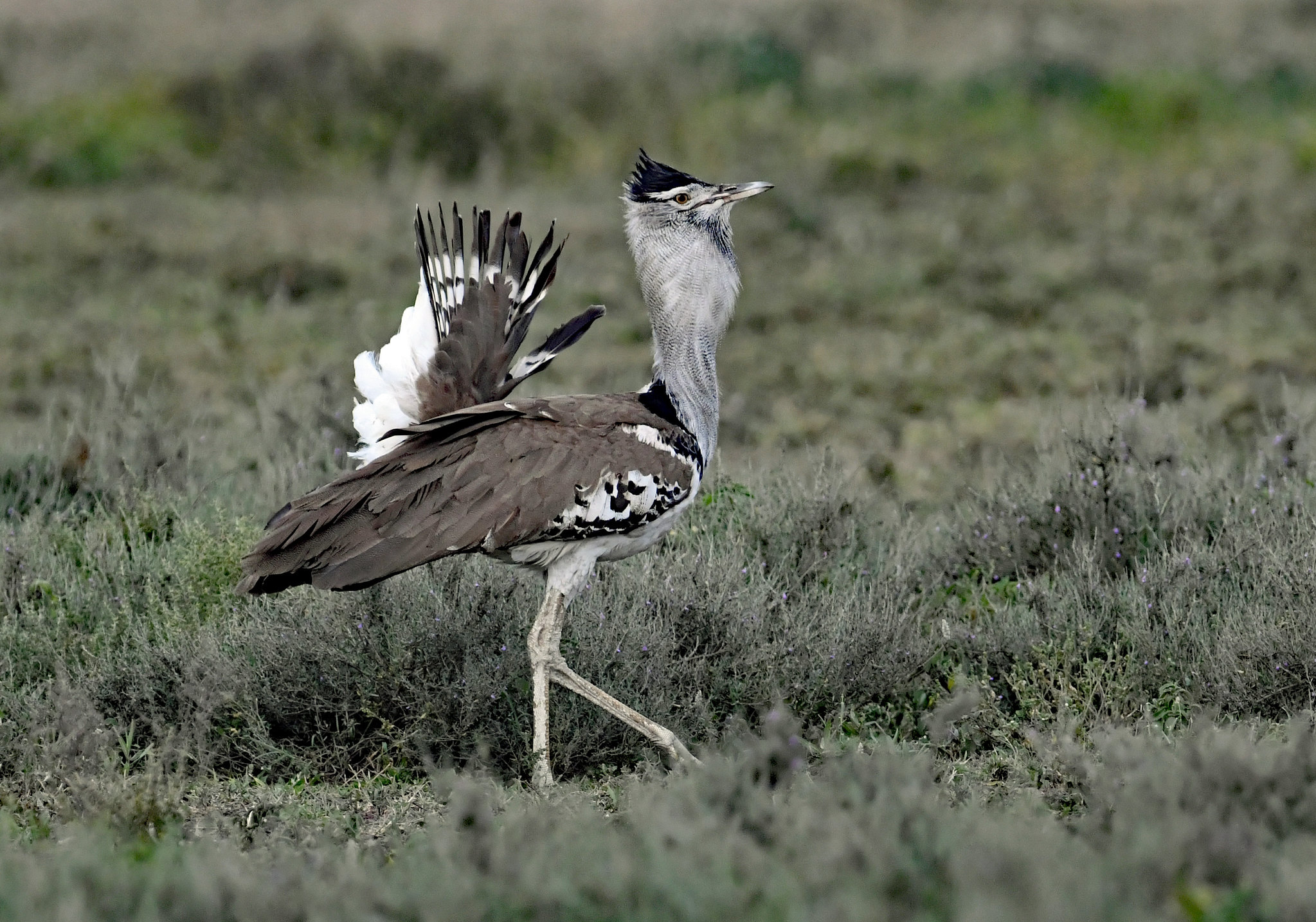
During a birdwatching safari in Tanzania, visitors can encounter a wide variety of species, including the White-browed Coucal, Common Ostrich, Little Bittern, Dwarf Bittern, White-backed Night Heron, Black-crowned Night Heron, Striated Heron, Squacco Heron, Madagascar Pond Heron, Rufous-bellied Heron, Speckled Mousebird, White-headed Mousebird, Blue-naped Mousebird, Narina’s Trogon, Bar-tailed Trogon, African Black Coucal, Jacobin Cuckoo, Levaillant’s Cuckoo, Great Spotted Cuckoo, Klaas’s Cuckoo, African Emerald Cuckoo, Diderick Cuckoo, Red-chested Cuckoo, Black Cuckoo, African Rail, African Crake, Black Crake, Purple Swamphen, Allen’s Gallinule, Common Moorhen, Lesser Moorhen, Red-knobbed Coot, Greater Flamingo, and many others.
The country’s combination of varied habitats and extensive protected areas makes birdwatching a rewarding addition to many Tanzania safari itineraries.
Hiking Safaris
Hiking is another popular activity in Tanzania, particularly on Mount Kilimanjaro, Africa’s highest mountain and the world’s highest free-standing mountain.
Numerous travelers visit Tanzania specifically to climb Mount Kilimanjaro. The summit of Kibo Peak, the mountain’s highest point, stands at 5,895 meters above sea level and offers spectacular views of the surrounding landscape and the mountain’s other major features, including Shira.
During a Mount Kilimanjaro hiking safari, travelers can experience a changing landscape as they ascend through different ecological zones. Wildlife encountered on the mountain and surrounding areas can include smaller mammals such as porcupines and various antelope species, together with a variety of bird species such as cuckoos, White-necked Ravens, turacos, Hartlaub’s Turaco, Grey Crowned Cranes, and sunbirds.
The major challenge of climbing Kilimanjaro is not simply the steepness of the trails but also adapting to the increasing altitude. Proper acclimatization, preparation, and a suitable trekking itinerary are therefore important parts of a successful climb.
Where to Go for a Tanzania Safari
Tanzania has a remarkable selection of safari destinations. Some of the country’s most popular places to visit include the Ngorongoro Conservation Area, Serengeti National Park, Lake Manyara National Park, and Tarangire National Park.
A Safari in Ngorongoro Conservation Area
The Ngorongoro Conservation Area is one of the most famous safari destinations in Africa and is located approximately 180 kilometers from Arusha. The conservation area is also home to Olduvai Gorge, an important archaeological and paleo-anthropological site associated with some of the earliest evidence of human ancestors.
The Ngorongoro Conservation Area covers approximately 8,292 square kilometers. Its most famous feature is the Ngorongoro Crater, the world’s largest intact and inactive volcanic caldera. The crater is approximately 20 kilometers across and about 600 meters deep, creating a spectacular natural setting for wildlife viewing.
While on a safari in Ngorongoro Crater, visitors can expect opportunities to see black rhinoceros, zebras, waterbucks, wildebeest, lions, leopards, hippos, cheetahs, jackals, eland, and many other mammals.
Beyond its exceptional wildlife, the Ngorongoro Conservation Area is also a place where visitors can learn about the communities that have traditionally lived within the wider conservation area, including the Maasai.
A Safari in Serengeti National Park
Serengeti National Park is one of Tanzania’s most famous safari destinations and a major highlight of the northern safari circuit. Located in northern Tanzania, the Serengeti forms part of the wider Serengeti-Mara ecosystem that extends toward Kenya’s Maasai Mara National Reserve.
The park is one of Tanzania’s oldest and most renowned national parks. Its vast savanna grasslands, dotted with acacia trees, provide habitat for an extraordinary variety of wildlife.
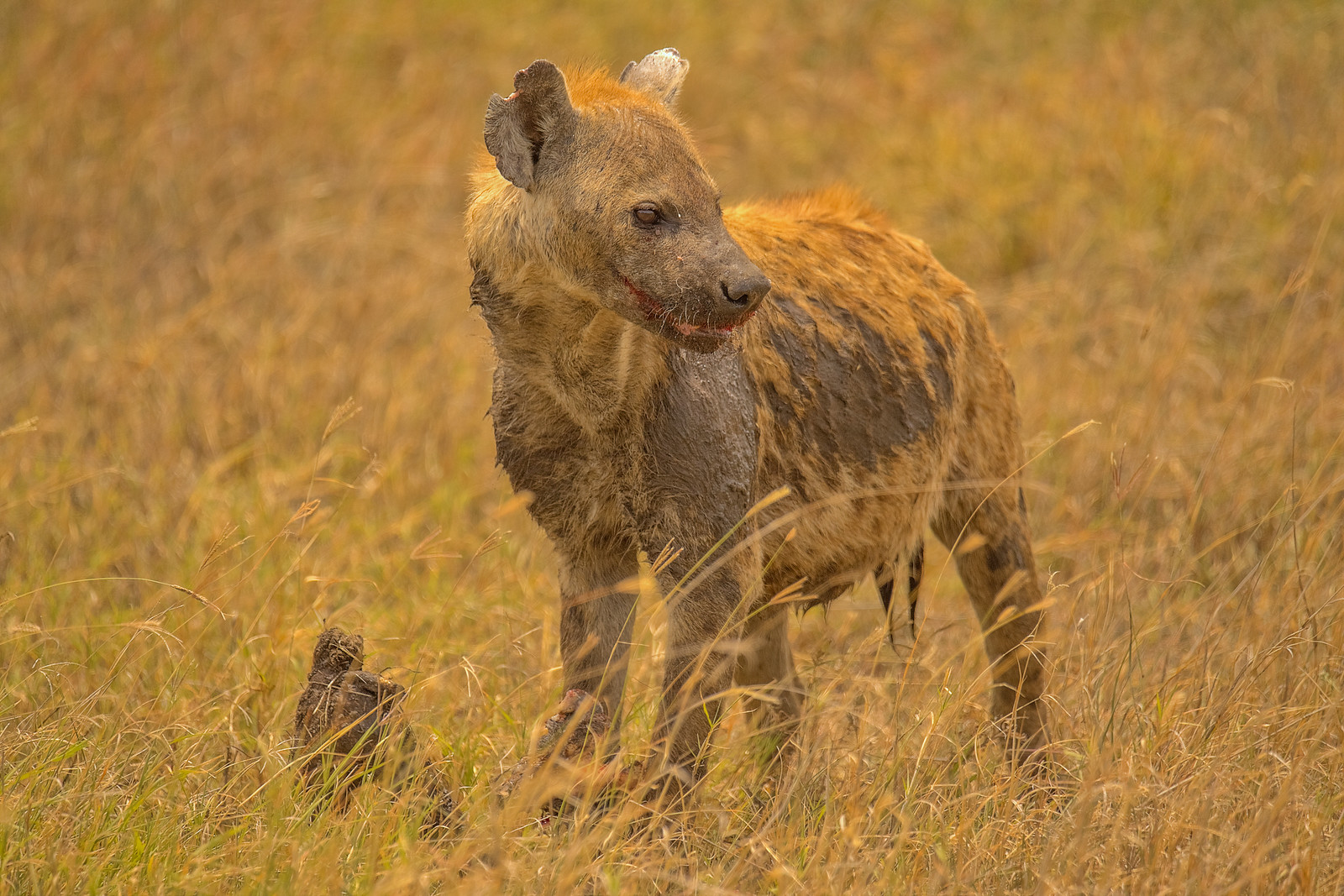
Serengeti National Park is home to large populations of wildebeest, gazelles, zebras, topi, hippos, warthogs, hartebeest, waterbucks, giraffes, impalas, eland, bushbucks, klipspringers, lesser kudus, roan antelopes, dik-diks, cheetahs, hyenas, servals, jackals, African wild dogs, honey badgers, mongooses, and many other species.
The park is also home to numerous primates, including baboons, vervet monkeys, and black-and-white colobus monkeys, as well as a wide variety of bird species such as the Malachite Kingfisher, Nubian Woodpecker, Red-and-Yellow Barbet, and Grey Crowned Crane.
Visitors on a Tanzania wildlife safari in Serengeti National Park can participate in several activities, including game drives, nature walks in designated areas, birdwatching, hot-air balloon experiences, and cultural encounters.
A Safari in Lake Manyara National Park
Lake Manyara National Park is one of Tanzania’s smaller national parks and is located in northern Tanzania, approximately 10 kilometers west-southwest of Mto wa Mbu and close to the town of Arusha’s wider northern safari circuit.
The park lies between Lake Manyara and the Great Rift Valley and is managed by the Tanzania National Parks Authority.
Lake Manyara National Park covers approximately 325 square kilometers and forms part of the larger Lake Manyara ecosystem. Its combination of groundwater forests, woodland, grassland, wetlands, and the lake itself supports a diverse range of wildlife.
While on safari in Lake Manyara National Park, visitors may see flamingos, kingfishers, herons, buffaloes, elephants, warthogs, waterbucks, giraffes, hippos, hyenas, leopards, wildebeest, zebras, and many other species.
Lake Manyara is also particularly famous for its tree-climbing lions, which are among the park’s most distinctive attractions.
Best Time for a Tanzania Safari
The best time to go on a Tanzania safari depends on the destinations and experiences you want to include in your itinerary.
The dry season, generally from around June to October, is widely considered an excellent period for wildlife viewing. During this time, vegetation is generally less dense and wildlife often becomes easier to observe, particularly around water sources.
The period from July to September can also provide opportunities to witness major stages of the Great Migration in the Serengeti ecosystem, although the exact timing and location of the migration vary from year to year depending on rainfall and grazing conditions.
The dry season is also popular for game drives because the combination of relatively dry conditions, reduced vegetation, and wildlife activity around water sources can create excellent viewing opportunities.
However, Tanzania can be visited throughout the year, and different seasons offer different advantages depending on whether your priority is wildlife viewing, the Great Migration, birdwatching, hiking Mount Kilimanjaro, beach holidays, or combining several experiences in one trip.
Book Your Tanzania Safari
From the wildlife-rich plains of the Serengeti and the spectacular Ngorongoro Crater to chimpanzee trekking in western Tanzania, the beaches of Zanzibar and Mafia Island, cultural experiences, birdwatching, and hiking Mount Kilimanjaro, Tanzania safaris offer a wide range of experiences for different types of travelers.
Contact our trusted tour operator for more information about Tanzania safaris, safari itineraries, destinations, activities, and travel arrangements. Focus East Africa Tours can help you plan and book a Tanzania safari tailored to your interests, budget, and travel schedule.
