



Zanzibar safaris offer an unforgettable combination of tropical beaches, fascinating history, Swahili culture, marine adventures, wildlife, and island experiences. Located in the Indian Ocean off the coast of Tanzania, Zanzibar is an archipelago best known for its beautiful beaches, warm turquoise waters, historic Stone Town, spice plantations, coral reefs, and rich cultural heritage.
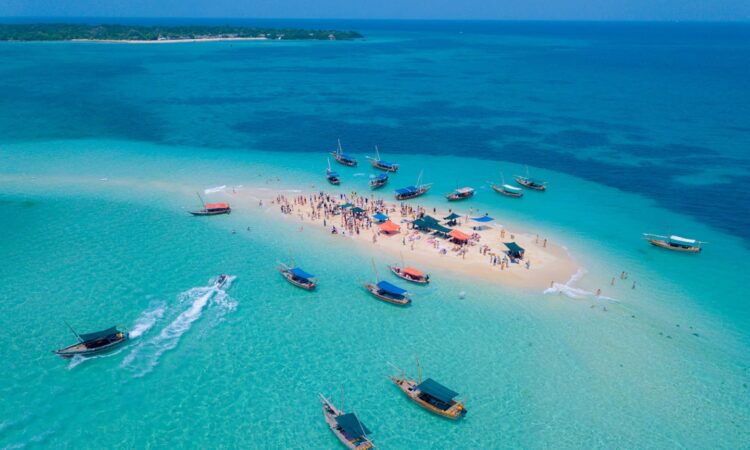
Zanzibar is one of Tanzania’s most popular tourist destinations, offering something for almost every type of traveller. Visitors can relax at a beachfront resort, explore the narrow streets of historic Stone Town, take a dhow cruise across the Indian Ocean, go snorkelling or diving around coral reefs, visit spice plantations, or discover some of the island’s forests and wildlife.
For honeymooners and beach lovers, Zanzibar provides a peaceful tropical escape after a Tanzania wildlife safari. For travellers interested in history and culture, the island offers centuries of connections between Africa, Arabia, India, and Europe.
Stone Town, in particular, reflects these influences through its architecture, markets, historic buildings, and winding streets. UNESCO recognizes Stone Town as a World Heritage Site because of its importance as a Swahili trading town and its distinctive blend of African, Arab, Indian, and European influences.
Whether you are looking for a relaxing beach holiday, a cultural experience, a romantic Zanzibar honeymoon, or an exciting island excursion, Zanzibar safaris can be tailored to combine several of these experiences.
Stone Town
When you think of Zanzibar, pristine white-sand beaches, waving palm trees, and crystal-clear Indian Ocean waters may immediately come to mind. However, Zanzibar is much more than a beach destination.
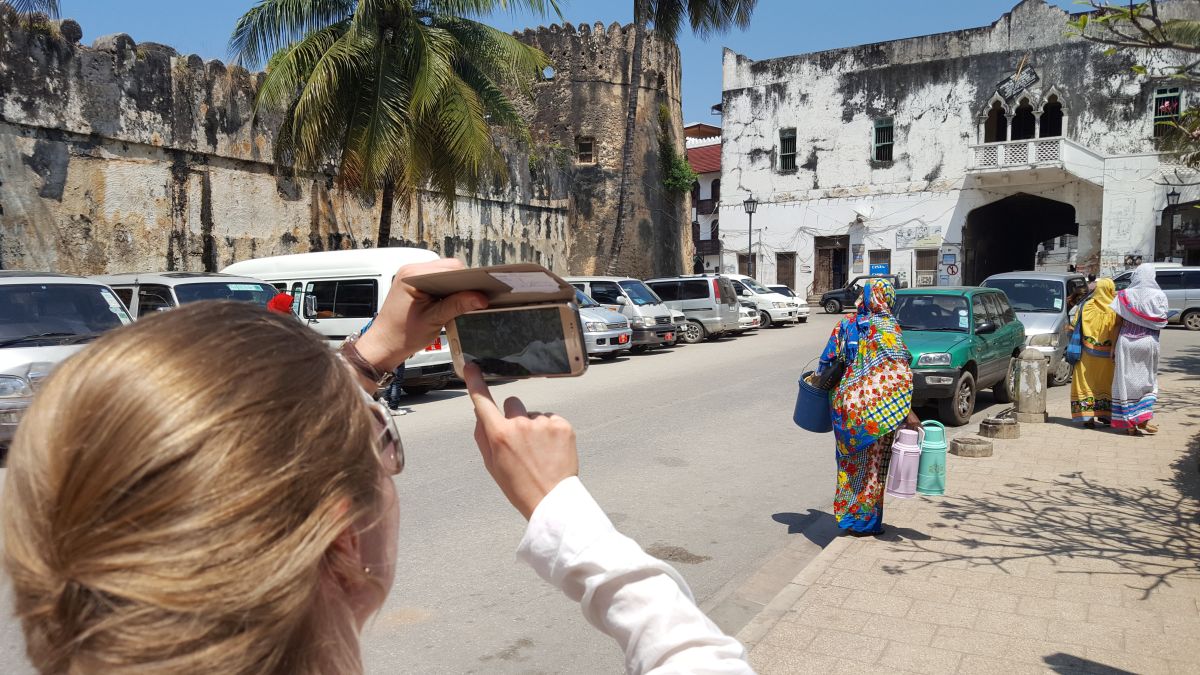
Stone Town is the historic heart of Zanzibar City and one of the most important places to visit on the island. Its narrow winding streets, traditional buildings, carved wooden doors, bustling markets, and historic monuments reflect centuries of interaction between African, Arab, Indian, and European cultures. UNESCO describes Stone Town as an outstanding example of a Swahili coastal trading town.
A walking tour through Stone Town allows visitors to explore attractions such as the Darajani Market, Old Fort, House of Wonders, historic mosques, Persian baths, former merchants’ residences, and other important buildings.
Stone Town also provides an opportunity to learn about Zanzibar’s complicated history, including its role in the Indian Ocean trade and the history of the slave trade in East Africa. The Anglican Cathedral stands on the site of the former slave market, while the town contains several monuments connected with this period of Zanzibar’s history.
Prison Island
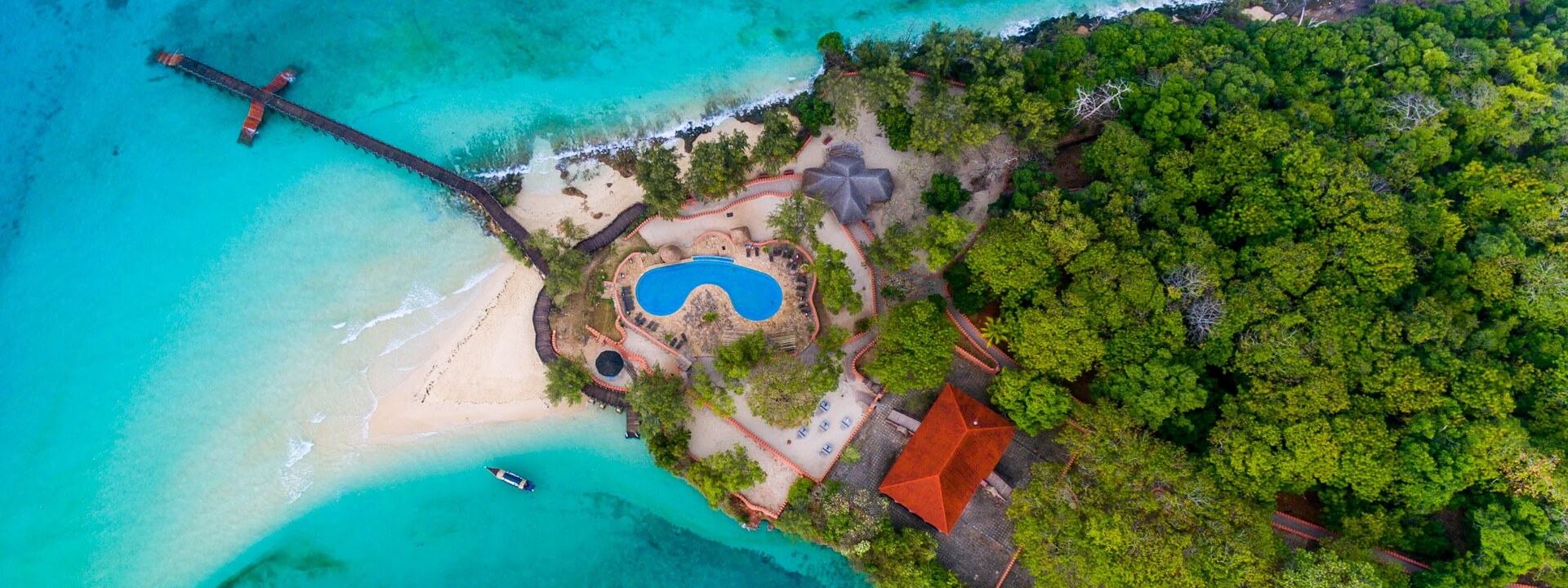 Prison Island, also known as Changuu Island, is one of the most popular excursions from Stone Town. The island is approximately a short boat ride from Zanzibar City and combines history, beaches, swimming, and marine activities.
The island is associated with Zanzibar’s former quarantine and prison facilities and is now particularly known for its population of giant Aldabra tortoises. Visitors can walk around the island, see the tortoises, explore the historic structures, relax on the beach, and enjoy the clear waters surrounding Changuu Island.
Snorkelling is another popular activity because the waters around the island contain coral and marine life. A Prison Island excursion can therefore be combined with swimming, snorkelling, or a relaxing boat trip from Stone Town.
Zanzibar Butterfly Centre
The Zanzibar Butterfly Centre provides visitors with an opportunity to see colourful tropical butterflies while learning about butterfly farming and local community initiatives.
The centre works with local farmers who raise butterflies and supply pupae for the attraction. Visitors can take a guided walk through the butterfly gardens, observe different stages of the butterflies’ life cycle, and learn about butterfly farming from local guides.
A visit to the Zanzibar Butterfly Centre can also provide insight into how tourism and small-scale enterprises contribute to local livelihoods. The centre is therefore an interesting addition to Zanzibar safari tours for travellers who want to experience something beyond the island’s beaches.
Zanzibar Spice Plantations
Zanzibar is famous for its spices, which have played an important role in the island’s history and economy. A Zanzibar spice tour is one of the most popular cultural excursions available to visitors.
During a spice plantation tour, travellers can discover products such as cloves, cinnamon, nutmeg, vanilla, black pepper, turmeric, and chilli. Local guides explain how different spices are grown and traditionally used for cooking, medicine, fragrances, and other purposes.
A spice tour also provides an opportunity to explore rural Zanzibar and interact with local communities. Visitors can learn about the island’s historic spice trade while seeing how some of these crops are cultivated today.
For travellers interested in culture, agriculture, food, and local traditions, a Zanzibar spice tour is a valuable addition to a beach holiday or Tanzania safari itinerary.
Zanzibar Dhow Cruises
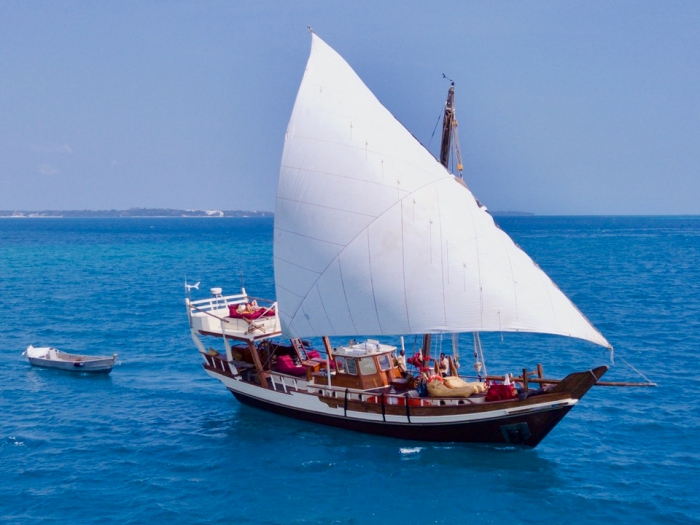 Traditional dhow cruises are another popular experience on Zanzibar. These wooden sailing boats reflect the island’s long history of maritime trade and its connections with the wider Indian Ocean region.
A dhow cruise offers visitors the chance to experience Zanzibar from the water while enjoying the peaceful surroundings of the Indian Ocean. Depending on the excursion, cruises may include sailing, swimming, snorkelling, seafood, and sunset views.
A Zanzibar sunset dhow cruise is particularly popular. As the sun begins to set, the changing colours of the sky create a beautiful backdrop while the dhow sails along the coast.
Some dhow excursions also stop near reefs where passengers can swim or snorkel before continuing along the coastline.
House of Wonders in Zanzibar
The House of Wonders, also known as Beit al-Ajaib, is one of Stone Town’s most important historic landmarks. It was built in 1883 during the reign of Sultan Barghash and served ceremonial purposes. UNESCO identifies it as one of the major historic buildings that contribute to Stone Town’s outstanding cultural heritage.
The building is particularly notable for its scale, architecture, and historical importance. It formed part of the seafront architectural landscape of Stone Town and became one of Zanzibar’s most recognisable landmarks.
The House of Wonders was seriously damaged when part of the building collapsed in December 2020, and conservation and rehabilitation efforts have subsequently been undertaken.
Because of its ongoing conservation history, travellers should check current access arrangements before planning a visit.
Kiwengwa-Pongwe Forest Reserve
The Kiwengwa-Pongwe Forest Reserve provides a different experience from Zanzibar’s beaches and coastal resorts. The reserve protects indigenous forest habitat and is associated with wildlife found on Zanzibar, including the Zanzibar red colobus monkey.
A visit to the forest offers travellers the opportunity to explore the island’s natural environment and learn about its native flora and fauna. Forest walks can complement a Zanzibar beach holiday by providing an opportunity to experience a greener and less developed side of the island.
For visitors interested in nature and wildlife, the forest reserve can be included as part of a wider Zanzibar safari itinerary.
Old Fort of Zanzibar
The Old Fort, also known as Ngome Kongwe, is one of the most prominent historical monuments in Stone Town. It was constructed by the Omani Arabs after they took control of Zanzibar from the Portuguese, on a site associated with an earlier Portuguese church and settlement. UNESCO identifies the Old Fort as one of Stone Town’s principal historic monuments.
Today, the Old Fort combines historical heritage with cultural activities. Visitors can explore its thick stone walls and courtyards and experience the surrounding cultural atmosphere of Stone Town.
The fort is located close to other major attractions, making it easy to include in a Stone Town walking tour alongside the House of Wonders, Darajani Market, and other historic sites.
ZALA Park in Zanzibar
ZALA Park, meaning Zanzibar Land Animals Park, is an initiative focused on showcasing and conserving local wildlife while supporting community-oriented activities.
The park provides an opportunity to learn about Zanzibar’s indigenous animals, vegetation, and natural environment. Visitors can explore the area on foot or by bicycle and gain a better understanding of the island’s local ecosystems and culture.
A visit to ZALA Park can be particularly interesting for travellers who want to discover aspects of Zanzibar beyond the traditional beach and resort experience.
Mtoni Palace
Mtoni Palace is another historic site connected with Zanzibar’s royal history. The palace was built during the era of the Zanzibar Sultanate and was associated with the royal family.
Although much of the original palace has disappeared, the ruins remain an interesting historical site for visitors interested in Zanzibar’s past. Exploring Mtoni Palace provides another opportunity to learn about the island’s history and the influence of the Sultanate on Zanzibar’s culture and architecture.
Experience Zanzibar Safaris
Zanzibar safaris are about more than relaxing on a tropical beach. The island combines beaches, marine adventures, Swahili culture, history, wildlife, spice plantations, forests, and traditional dhow sailing into one destination.
A Zanzibar itinerary can include a Stone Town cultural tour, Prison Island excursion, spice plantation visit, sunset dhow cruise, forest walk, and time on the island’s beautiful beaches. Zanzibar can also be combined with a mainland Tanzania safari to create a longer itinerary that includes wildlife destinations before or after your beach holiday.
Whether you are planning a honeymoon, family holiday, cultural trip, beach vacation, or a combined Tanzania safari and Zanzibar holiday, exploring the island’s different attractions allows you to experience much more than its famous coastline.