
Uganda is a land of untamed beauty, where the thrill of the wild awaits. The country is known as the Pearl of Africa. This enchanting country is home to some of the most incredible wildlife and landscapes on the continent. Uganda is home to the snow-capped peaks of the Rwenzori Mountains and hosts more than half of the world’s remaining mountain gorillas, with the latest published Bwindi population standing at 459 individuals.

Uganda’s diverse geography is a haven for adventure seekers and nature lovers. While on a Uganda safari, you will have the chance to venture into the wild, where majestic animals roam free. The famous mountain gorillas, chimpanzees, and lions are just a few of the many species that call Uganda home. With its cultural heritage and warm hospitality, Uganda is a destination that will leave you in awe of its natural beauty and human spirit.
Types of Safaris in Uganda
Wildlife
 Uganda, a country located in the heart of East Africa, is renowned for its stunning natural beauty and incredible wildlife diversity. The country is home to some of the most unique African animal species, and a wildlife safari in Uganda is an experience like no other.
Uganda is home to some of the best national parks and reserves that offer excellent opportunities for wildlife safaris in the country, such as Queen Elizabeth National Park, Murchison Falls National Park, Kibale National Park, Bwindi Impenetrable Forest National Park, Lake Mburo National Park, Kidepo Valley National Park, among others.
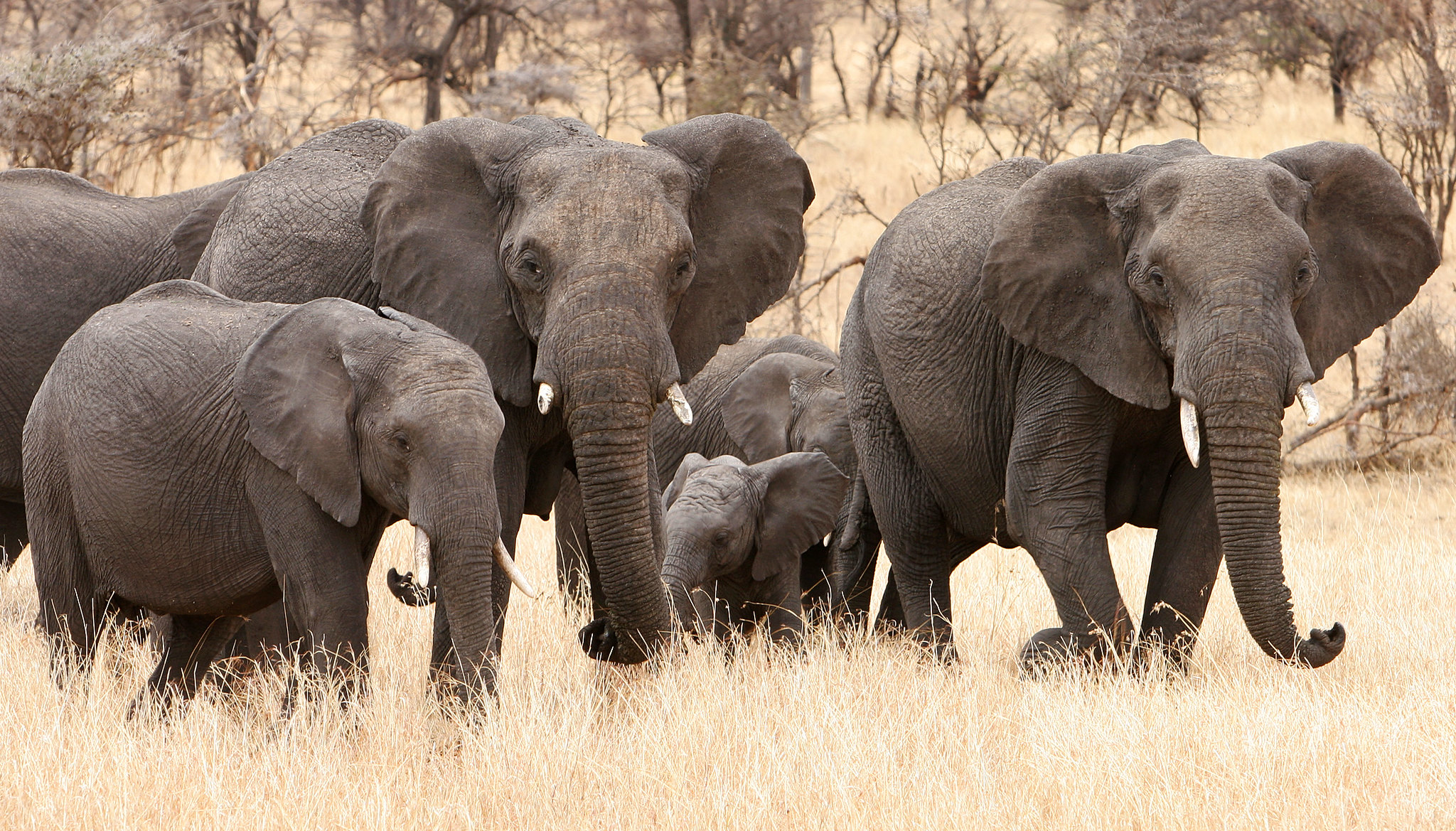
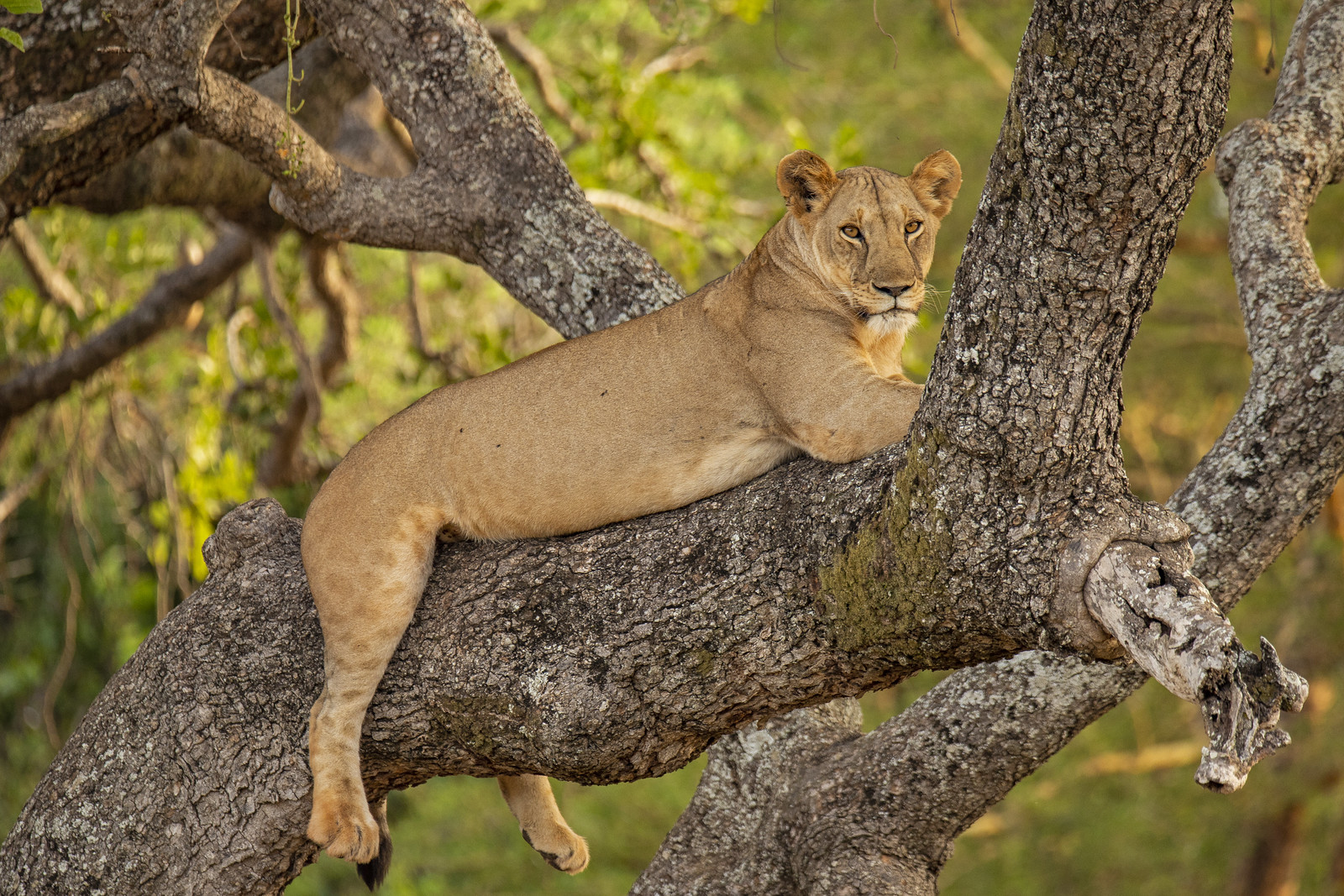
Visitors on guided game drives have the opportunity to drive through the national parks to spot a variety of wildlife species such as lions, elephants, buffaloes, leopards, and rhinoceroses, as well as other iconic African species such as giraffes, zebras, hippos, and crocodiles. There are also numerous bird species, including commonly spotted species such as ostriches, secretary birds, and storks.
Uganda is also home to many different primate species, such as gorillas, chimpanzees, L’Hoest’s monkeys, black-and-white monkeys, grey-cheeked mangabeys, dog-faced olive baboons, golden monkeys, black-and-white colobus monkeys, blue monkeys, and red-tailed monkeys.
Uganda’s remarkable biodiversity extends beyond its famous wildlife. According to the latest State of Wildlife Resources in Uganda report, the country has over 18,000 recorded species of flora and fauna, including more than 1,000 bird species.
With the guidance of experienced rangers, visitors can explore the national parks’ diverse habitats and observe their resident wildlife up close, making for an exhilarating and remarkable safari adventure in Uganda.
Gorilla Trekking
 Uganda is one of the best places in the world to go gorilla trekking. The country is home to more than half of the world’s remaining mountain gorillas. In Bwindi Impenetrable National Park, the latest published census figure is 459 mountain gorillas, based on the 2018 census.
The country’s gentle slopes and dense forests offer an ideal habitat for these incredible animals.
Gorilla trekking in Uganda typically begins early in the morning at the park headquarters with a brief briefing about the trekking guidelines. Thereafter, you will be allocated an experienced guide who will lead you through the dense forest in search of these fascinating creatures in their natural habitat.
This journey takes you through the dense jungles, navigating steep hills, muddy trails, and dense forests. The trek can be challenging, but the reward is well worth the effort. While on a Uganda gorilla trekking safari, you will also have the chance to encounter other creatures along the way.
Once these fascinating creatures are located, you will be allowed one hour of interaction with them while observing how they go about their daily activities and socialize in the wild, among other behaviors.
To participate in this thrilling activity, you are required to purchase a gorilla permit. The current UWA 2024–2026 conservation tariff lists the gorilla permit at $800 per person for foreign non-residents, $700 per person for foreign residents, and UGX 300,000 per person for East African Community residents. These rates include the guide fee, park entrance fees for the day, and community development contribution.
The best time to go gorilla trekking in Uganda is during the dry season, from December to March and then June to September.
Chimpanzee Tracking
 Chimpanzee tracking in Uganda is a thrilling adventure that allows you to venture into the heart of the jungles, getting up close and personal with these intelligent and social animals. Chimpanzees are our closest living relatives, sharing about 98% of our DNA. They are known for their social structures, tool use, and problem-solving skills.
In Uganda, chimpanzees inhabit the tropical forests of Kibale National Park, Queen Elizabeth National Park, and the Budongo Forest Reserve.
The chimpanzee tracking experience begins early in the morning with a briefing at the park’s headquarters about the guiding rules and expectations during the track. Thereafter, you will be allocated an experienced guide who will lead you through the park’s lush forest, muddy trails, and steep hills in search of these fascinating primates in their natural habitats.
Chimpanzee tracking permits in Uganda depend on the preferred destination. Under the current UWA 2024–2026 conservation tariff, chimpanzee permits in Kibale National Park cost $250 per person for foreign non-residents, $200 per person for foreign residents, and UGX 180,000 per person for East African Community residents. Chimpanzee permits in Kyambura Gorge cost $100 per person for foreign non-residents, $80 per person for foreign residents, and UGX 50,000 per person for East African Community residents.
Birdwatching
 Uganda is a birdwatcher’s paradise, with more than 1,000 species of birds recorded within its borders. The country’s diverse habitats, from tropical forests to savannahs and wetlands, including savannah national parks, support a wide range of avian life.
Birdwatching in Uganda is an exciting adventure that allows you to spot some of the most spectacular and rare species in the world. During your birdwatching tours in Uganda, you will have the chance to spot a variety of colorful birds such as secretary birds, ospreys, black-winged kites, European honey buzzards, African cuckoo hawks, African harrier hawks, palm-nut vultures, Egyptian vultures, bateleurs, black-chested snake eagles, white-headed vultures, lizard buzzards, African fish eagles, and Eurasian buzzards.
Other species include long-crested eagles, crowned eagles, martial eagles, white-fronted plovers, long-toed lapwings, spur-winged lapwings, black-headed lapwings, Eurasian thick-knees, Senegal thick-knees, three-banded lapwings, common greenshanks, common redshanks, spotted thick-knees, black-winged pratincoles, black-tailed godwits, hadada ibises, African spoonbills, African sacred ibises, great cormorants, African darters, hamerkops, shoebills, white-crested tiger herons, and great white pelicans, among others.
Beach Tours
Beach tours in Uganda offer a chance to relax and unwind on the shores of Africa’s largest lake, surrounded by lush vegetation and vibrant culture.
One of the most popular destinations for beach tours in the country is along the shores of Lake Victoria. Entebbe Beach, located about 45 km from Kampala, is the most popular and developed beach in Uganda. It is a great spot for swimming, sunbathing, and water sports.
Another famous destination is Lugogo Beach. This quiet beach town offers a tranquil atmosphere and stunning sunsets, making it a great spot for relaxation and water activities such as swimming and kayaking.
Other destinations include Mukono Beach, Bukakata Beach, Nkoma Beach, Kampala Beach, and Namasunba Beach, among others.
Hiking
Uganda offers excellent hiking safaris to the renowned Mount Rwenzori peaks, known as the Mountains of the Moon, which are located in western Uganda.
The Rwenzori range measures approximately 110 km long and 50 km wide. It contains six distinct mountains, including Mount Stanley (5,109 m), Mount Speke (4,890 m), Mount Baker (4,843 m), Mount Emin (4,797 m), Mount Gessi (4,715 m), and Luigi da Savoia (4,627 m).
The Margherita Peak of Mount Stanley, at 5,109 m, is the third-highest point in Africa. The Rwenzori Mountains National Park covers approximately 995 square kilometres and was recognized as a UNESCO World Heritage Site in 1994.
Where to Go for a Uganda Safari
Bwindi Impenetrable National Park
Bwindi Impenetrable National Park is a UNESCO World Heritage Site and one of the most biodiverse protected areas in East Africa. The national park is located in southwestern Uganda and covers approximately 321 square kilometres.
The park is home to approximately 459 mountain gorillas according to the latest published census benchmark, making it one of the best destinations in the world to trek these fascinating endangered creatures in their natural habitat.
Bwindi Impenetrable National Park’s lush rainforest and bamboo forests offer a unique habitat for a wide range of flora and fauna, including many endemic species. The forest dates back more than 25,000 years and provides refuge for some of the world’s rarest wildlife.
Bwindi Impenetrable National Park was established in 1991 to protect the park’s unique ecosystems and the endangered mountain gorillas that inhabit it.
Besides the captivating mountain gorillas, Bwindi Impenetrable National Park is home to a diverse range of wildlife, including approximately 120 mammal species, such as chimpanzees, baboons, elephants, and forest antelopes.
Bwindi Impenetrable National Park is also a birdwatcher’s paradise, with more than 350 bird species recorded, including 23 Albertine Rift endemics.
Visitors on a Uganda safari in Bwindi Impenetrable National Park have the opportunity to engage in numerous adventurous activities such as gorilla trekking, birdwatching, hiking, and cultural encounters, among others.
Uganda Safaris to Queen Elizabeth National Park
Queen Elizabeth National Park is one of Uganda’s most popular national parks, located in the western part of the country. The national park is known for its diverse wildlife, scenic landscape, and abundant water sources, making it a haven for tourists and wildlife enthusiasts.
Queen Elizabeth National Park was originally established as Kazinga National Park in 1952 and was renamed Queen Elizabeth National Park in 1954.
The park covers an area of approximately 1,978 square kilometres (763 sq mi) and is situated in the Western Rift Valley, near the borders with the Democratic Republic of Congo and Rwanda.
Queen Elizabeth National Park is home to more than 95 mammal species, including lions, elephants, leopards, hippos, crocodiles, and several antelopes.
Queen Elizabeth National Park is also a birder’s paradise, with more than 600 bird species recorded, including ostriches, secretary birds, storks, kingfishers, and other species.
During your wildlife safari in Queen Elizabeth National Park, you’ll have the chance to participate in a number of activities such as game drives, chimpanzee tracking, lion tracking, nature walks, boat cruises, birdwatching, and hiking, among others.
Uganda Safaris to Murchison Falls National Park
Murchison Falls National Park is one of Uganda’s most iconic national parks, located in the northwestern part of the country. The national park is known for its stunning natural beauty, diverse wildlife, and thrilling adventure opportunities. The national park is a must-visit destination for nature lovers and adventure seekers.
Murchison Falls National Park was originally gazetted as a game reserve in 1926 and was officially designated as a national park in 1952. It covers an area of approximately 3,840 square kilometres (1,483 sq mi), making it Uganda’s largest national park.
The park is situated at the northern end of the Albertine Rift Valley, along the shores of Lake Albert and the Victoria Nile River, near the border with the Democratic Republic of Congo.
The park is also famous for its breathtaking spectacle of powerful falls known as Murchison Falls, where the Victoria Nile is forced through a narrow gorge before plunging into the Devil’s Cauldron.
Murchison Falls National Park is home to a diverse array of wildlife species. Current UWA information records 144 mammal species, 556 bird species, 51 reptile species, and 51 amphibian species.
The park is also home to lions, elephants, giraffes, leopards, hippos, crocodiles, and several antelopes.
While on a Uganda safari in Murchison Falls National Park, you’ll have the chance to engage in a number of activities such as game drives, nature walks, birdwatching, boat cruises, water rafting, hiking, and chimpanzee tracking in the Budongo Forest, among others.
Kidepo Valley National Park
Kidepo Valley National Park is one of Uganda’s most remote and least explored national parks, located in the Karamoja region of northeastern Uganda, near the border with South Sudan.
The national park is approximately 700 km from Kampala and covers an area of approximately 1,442 square kilometres (556 sq mi).
Kidepo Valley National Park was first gazetted as a national park in 1962 to protect its diverse wildlife and habitats. It is Uganda’s third-largest national park.
Kidepo Valley National Park is home to more than 77 mammal species and approximately 476 bird species.
The park is home to a diverse range of wildlife, including elephants, lions, buffaloes, giraffes, Uganda kobs, cheetahs, hartebeest, and many other species.
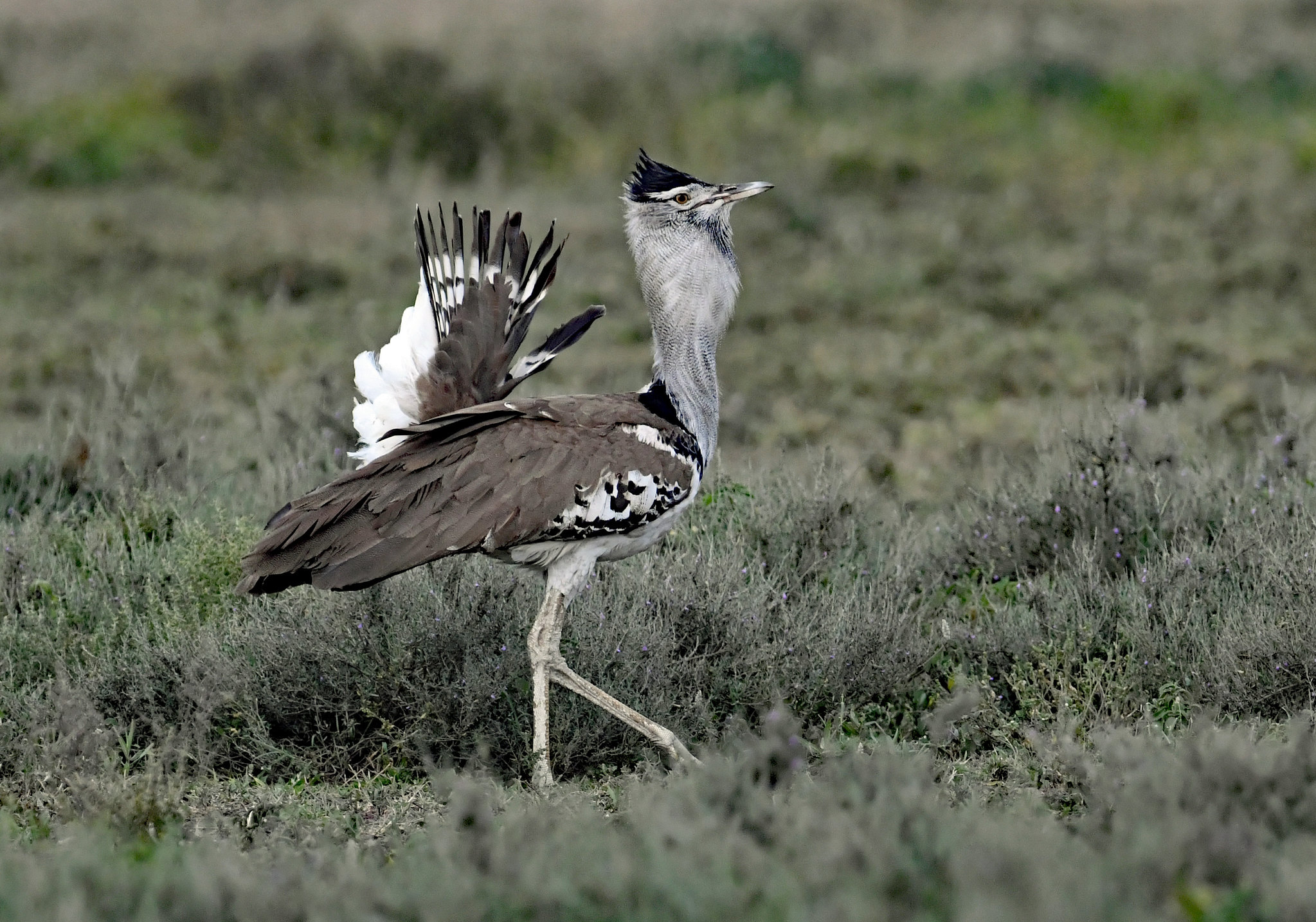
The park is also a haven for bird lovers, with species including ostriches, kori bustards, secretary birds, northern carmine bee-eaters, Abyssinian scimitarbills, golden pipits, ring-necked spurfowl, Taita fiscal, rufous chatterer, Fox’s cisticola, yellow and red-spotted barbets, Fox’s weaver, lesser kestrel, pallid harrier, black-winged pratincole, and white-crested Hartlaub’s turacos, among others.
Best Time to Visit Uganda for a Safari
The best time to visit Uganda for a safari is during the dry season, which typically runs from June to September and then December to February.
During this time, the weather is typically characterized by mild conditions and clearer skies, minimal rainfall, and comfortable temperatures, creating ideal conditions for outdoor activities and wildlife viewing.
With the vegetation generally sparser and animals often congregating around water sources, sightings of iconic species such as mountain gorillas, lions, and elephants can be excellent, making for exceptional safari experiences.
The dry season also coincides with the peak travel season in Uganda, so you can expect a higher concentration of tourists and greater demand for accommodations and tours. Therefore, it’s advisable to book accommodations and activities well in advance.
