
Katavi National Park is a true wilderness destination in western Tanzania, known for its remote location, vast floodplains, large concentrations of wildlife, and relatively low visitor numbers.

Located about 40 kilometers south of Mpanda town, the park lies in western Tanzania, east of Lake Tanganyika and within the Great Rift Valley landscape that extends toward the shallow Lake Rukwa basin.
For travelers looking for an authentic Tanzania safari, Katavi National Park safari offers a very different experience from the more frequently visited parks of the northern safari circuit. Its enormous plains, seasonal lakes, rivers, miombo woodlands and remote wilderness provide an exceptional setting for wildlife viewing, walking safaris, bird watching and camping.
Katavi National Park is located in western Tanzania, primarily within the Katavi Region. The main gateway is around Sitalike, approximately 40 kilometers south of Mpanda town. The park is situated in a remote part of Tanzania and is considerably farther from the country’s main northern safari destinations than parks such as Serengeti, Ngorongoro and Tarangire.
Katavi covers approximately 4,471 square kilometers, making it Tanzania’s third-largest national park after Nyerere and Ruaha.
The park’s remote location is one of its greatest attractions. Rather than large numbers of safari vehicles, you will encounter broad landscapes, wildlife-rich floodplains and a genuine sense of wilderness.

Landscape and scenery of Katavi National Park
The landscape of Katavi National Park is dominated by extensive floodplains, open grasslands, seasonal lakes, rivers, bushland and miombo woodlands.
One of the park’s most important geographical features is the Katisunga Plain, a vast grassy plain covering approximately 425 square kilometers in the heart of Katavi. The plain is surrounded by woodland and bush habitats and provides important grazing areas for large herbivores, including buffalo, zebra, eland, roan and sable antelope.
Other important landscapes include the Katuma River and the seasonal floodplains associated with Lake Katavi and Lake Chada. During the dry season, water becomes increasingly concentrated in remaining rivers, pools and wetlands, drawing large numbers of animals to predictable water sources.
Katavi’s habitats include:
- Open grassy plains
- Seasonal floodplains
- Miombo woodlands
- Bush and wooded savannah
- Seasonal lakes and wetlands
- Riverine vegetation
- Swamps and marshy areas
The combination of these habitats supports an impressive diversity of wildlife throughout the park.
Wildlife in Katavi National Park
Katavi National Park is particularly famous for its large concentrations of buffalo, hippos, crocodiles and other wildlife. During the dry season, animals become increasingly concentrated around the remaining sources of water, creating some of the most impressive wildlife viewing opportunities in western Tanzania.
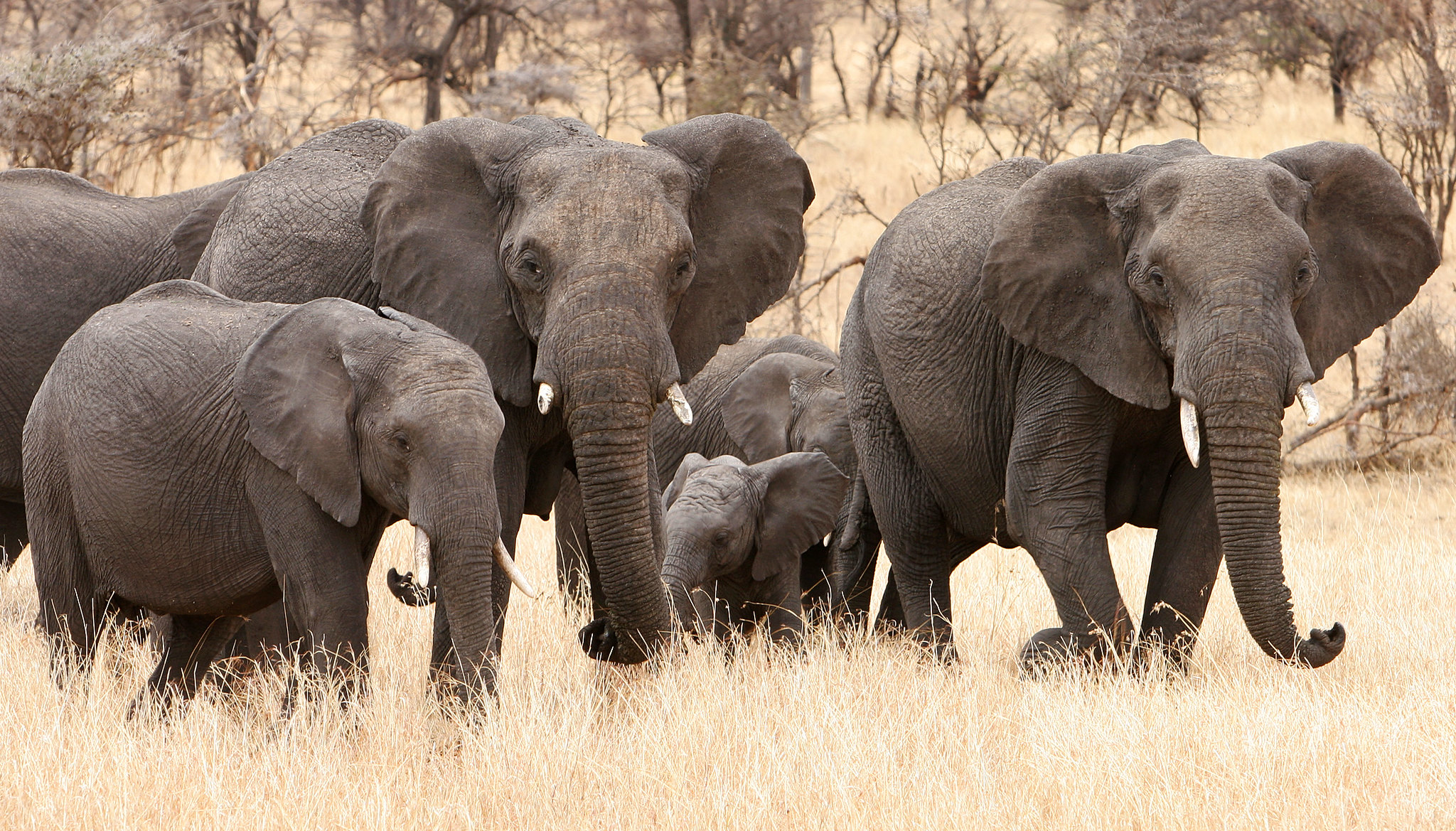
The park is home to large herds of African buffalo, along with elephants, giraffes, zebras, impalas, topis, elands, waterbucks, hartebeests, reedbucks, duikers and other antelope species.
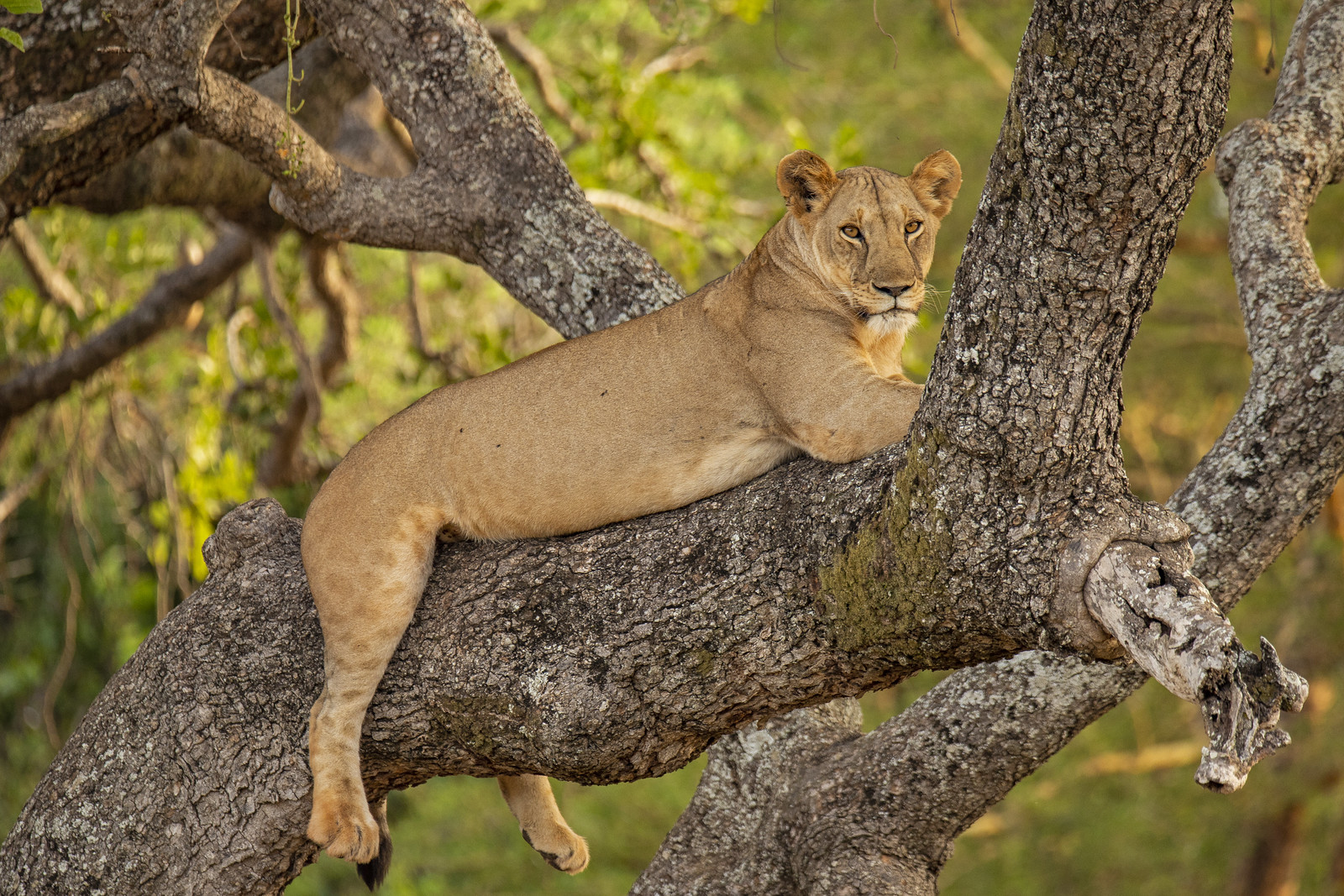
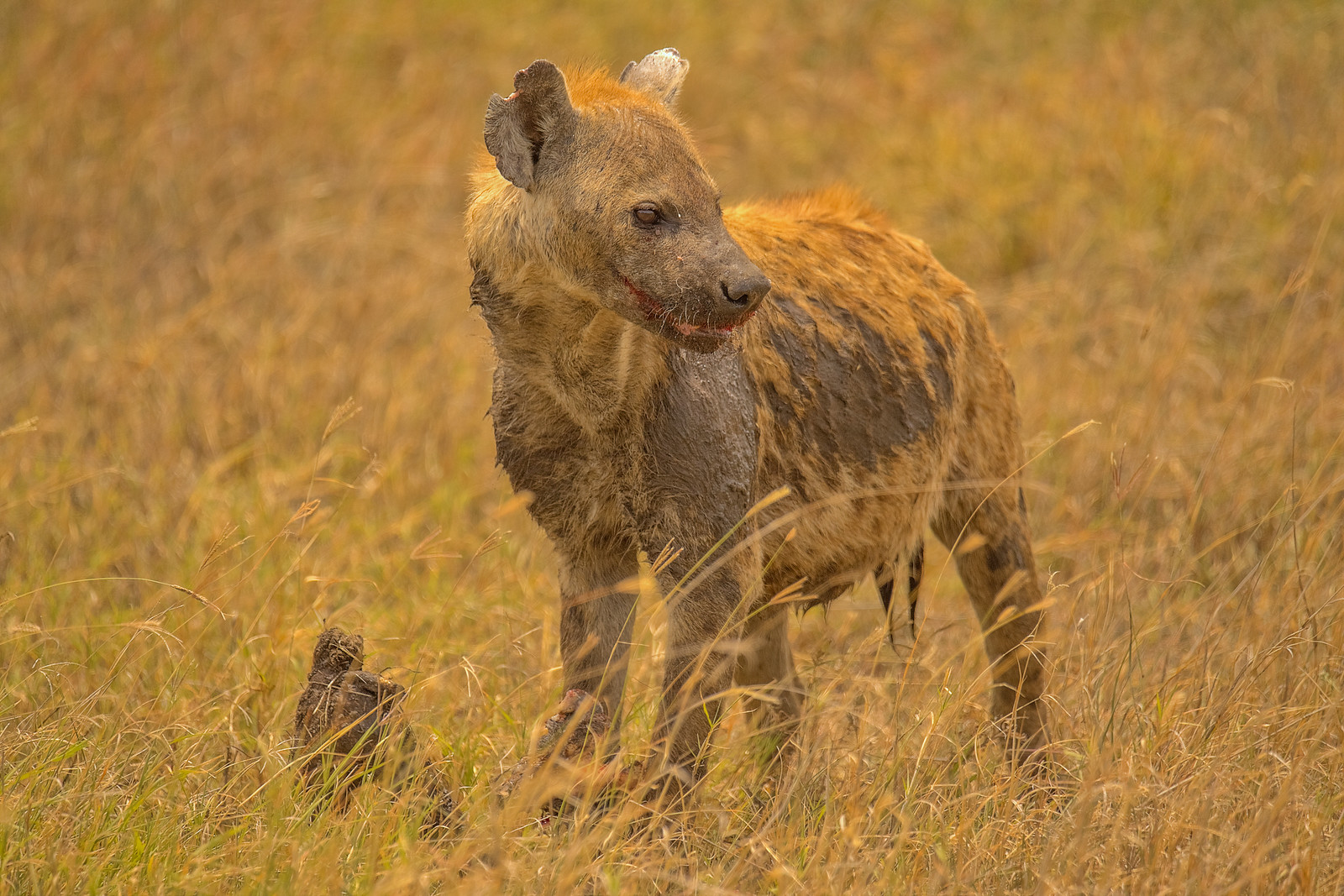
Predators are also present, including:
- Lions
- Leopards
- Spotted hyenas
- African wild dogs
- Other smaller carnivores
Katavi is particularly well known for its hippos and crocodiles. The Katuma River and its remaining pools become important refuges as the dry season progresses, and large numbers of hippos can gather in shrinking pools.
The park also provides habitat for less commonly encountered antelopes such as roan and sable antelope, making Katavi particularly interesting for travelers interested in species that can be difficult to see elsewhere.
Wildlife can commonly be found around the Katuma River, Lake Katavi, Lake Chada and surrounding floodplains, as well as in the woodland and plains habitats of the park.

Buffalo herds in Katavi National Park
One of the most memorable sights on a Katavi safari is the enormous concentration of African buffalo.
During the dry season, buffalo gather around remaining water sources and grazing areas in large numbers. The park’s buffalo herds team up in thousands during the dry season, making buffalo one of Katavi’s signature wildlife experiences.
The combination of open plains, water sources and relatively low visitor numbers can make encounters with these large herds particularly dramatic.
Hippos and crocodiles in Katavi
The Katuma River and seasonal lakes are among the best places to see hippos and crocodiles in Katavi National Park.
As water levels fall during the dry season, hippos become concentrated in permanent and semi-permanent pools. Crocodiles can also be seen along riverbanks and around remaining pools.
Important wildlife areas include the Katuma River, Ndido Falls, Kapapa River and other wetland and riverine habitats.
You should always maintain a safe distance from hippos and crocodiles and follow the instructions of their safari guide or park ranger.

Birds in Katavi National Park
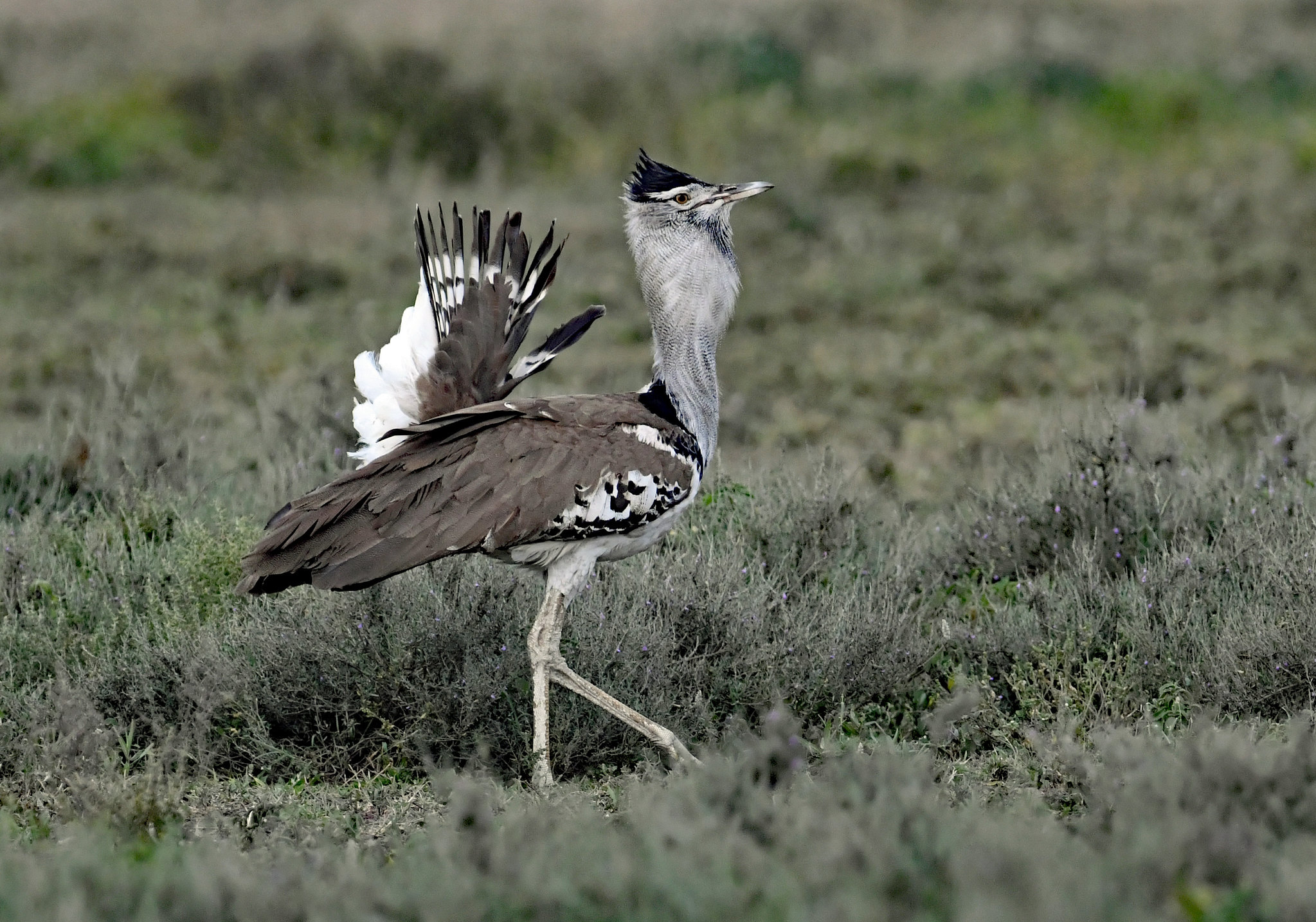
Katavi National Park is also an excellent destination for bird watching in Tanzania. More than 400 bird species have been recorded in Katavi, and the park’s rivers, floodplains, woodlands and seasonal wetlands support a wide variety of resident and migratory birds.
Bird watching is possible throughout the year, but the period from November to April is particularly rewarding because migratory birds are present and many resident species are breeding.
Birds commonly encountered in Katavi include:
- Yellow-billed storks
- Saddle-billed storks
- African spoonbills
- African fish eagles
- Bateleurs
- White-backed vultures
- Herons
- Plovers
- Little bee-eaters
- Red-billed hornbills
- Crested barbets
- Yellow-throated sandgrouse
- Orange-breasted bush-shrikes
- Other waterbirds, raptors and woodland species
The seasonal wetlands and riverbanks are particularly productive areas for bird watching.
History of Katavi National Park
The history of Katavi National Park goes back to the early 20th century. The area was first protected during the German colonial period in 1911. Later, under British administration, the protected area became associated with the Rukwa Game Reserve. Historical sources differ on some of the dates and original boundaries, but there is broad agreement on the area’s progression from an early protected area to a national park.
Katavi was officially gazetted as a national park in 1974. Its protected area was subsequently expanded, eventually reaching its present size of approximately 4,471 square kilometers. TANAPA identifies 1974 as the year Katavi was established as a national park.
The park’s formal expansion to its present size is generally associated with the incorporation of surrounding protected areas, including parts of the former Rukwa Game Reserve. Some sources give slightly different dates and figures for the individual stages of this expansion, so the safest current description is that Katavi became a national park in 1974 and later expanded to its present 4,471 km².

Why is Katavi National Park called Katavi?
The name Katavi comes from Katabi, a spirit associated with local Wabende and Wapimbwe traditions.
According to local tradition, Katabi is associated with a tamarind tree near Lake Katavi. The tree is regarded as a cultural and spiritual site, and local people have traditionally visited the area and left offerings at its base.
The cultural history of Katavi therefore forms an important part of the destination’s identity, alongside its wildlife and wilderness.
Tourist activities in Katavi National Park
There are several activities available during a Katavi National Park safari, although the park is particularly famous for wildlife viewing and walking experiences.
Game viewing in Katavi National Park
Game viewing is the main activity in Katavi National Park. Game drives provide opportunities to see buffalo, elephants, giraffes, zebras, impalas, topis, eland, waterbuck, lions, leopards, spotted hyenas, wild dogs and other wildlife.
The best wildlife viewing is generally during the dry season from June to October, when animals concentrate around remaining water sources and the vegetation becomes less dense. TANAPA identifies June to October as the peak wildlife-viewing period.
Important areas for game viewing include:
- Katisunga Plain
- Katuma River
- Lake Katavi
- Lake Chada
- Seasonal floodplains
- Riverine areas
- Woodland habitats
Game drives are conducted during daylight hours, game-viewing takes place from approximately 06:30 to 18:30.
The concentration of animals around water during the dry season makes Katavi particularly rewarding for visitors interested in large wildlife gatherings.
Bird watching in Katavi National Park
Bird watching is another important activity in Katavi.
The park’s combination of rivers, floodplains, seasonal lakes, grasslands and woodland creates habitats for more than 400 recorded bird species. Migratory birds are particularly noticeable between November and April.
Birding can be combined with game drives and walking experiences, making Katavi suitable for travelers who want to explore both its wildlife and birdlife.
Walking safari and hiking in Katavi National Park
A walking safari in Katavi National Park provides an opportunity to experience the wilderness on foot and observe the smaller details of the ecosystem that can easily be missed during a vehicle safari.
The Sitalike Walking Trail is a short walking route ranging from approximately 1 to 9 kilometers and taking more than three hours. The park also offers longer walking and hiking experiences, including trails of more than 10 kilometers.
Longer hiking experiences can take visitors through different landscapes and toward elevated viewpoints and waterfalls, including trails associated with Chorangwa, Lukima and Ndido waterfalls.
Walking activities must be conducted with authorized guides or rangers, and visitors should always follow park safety regulations.
Camping in Katavi National Park
Camping in Katavi National Park offers an opportunity to experience the wilderness more directly.
Accommodation and camping options include:
- Public campsites
- Special campsites
- Fly-camping experiences
- Tented camps and safari lodges
Public campsites generally provide basic facilities such as toilets, bathrooms, kitchen and dining areas, while special campsites offer greater privacy. Fly-camping provides a more mobile and immersive wilderness experience.
Because Katavi is remote, travelers should arrange accommodation and camping requirements in advance and confirm what facilities are available at their selected campsite.
Where to stay in Katavi National Park
Accommodation in and around Katavi National Park ranges from safari camps and lodges to public and special campsites.
Options mentioned for visitors to Katavi include:
Luxury and tented camps
- Katavi Wildlife Camp
- Nomad Tented Camp
- Mbali Mbali Katavi
- Chada Katavi Camp
Campsites
Budget-conscious travelers and visitors seeking a more adventurous experience can consider campsites such as:
- Ikuu Public Campsite
- HQ Public Campsite
- Katavi Picnic Site
- Chada Special Campsite
- Kapilula Campsite
- Kapilula 1 Campsite
- Kapimbye Special Campsite
TANAPA confirms that visitors can choose between public campsites, special campsites and partner lodges or tented camps in the Sitalike–Ikuu area.
Because Katavi is a remote safari destination with limited accommodation capacity, it is advisable to book accommodation in advance, particularly during the peak dry season.
Best time to visit Katavi National Park
The best time to visit Katavi National Park for wildlife viewing is generally June to October, particularly during the middle and later part of the dry season. During this period, water sources shrink and animals become concentrated around rivers, lakes and remaining pools.
June to October
This is the main wildlife-viewing season. Large concentrations of buffalo, elephants, hippos and other animals gather around remaining water sources, while thinner vegetation can make wildlife easier to spot.
November to April
This period is particularly attractive for bird watching because migratory species are present. The landscape becomes greener and bird activity increases, although rainfall can make some roads difficult to navigate.
For a classic Katavi wildlife safari, June to October is generally the preferred period. For birding, November to April can offer additional opportunities.
How to get to Katavi National Park
Because Katavi is one of Tanzania’s most remote national parks, reaching the park requires more planning than visiting destinations on the northern safari circuit.
Katavi can be accessed by air and road, with railway travel also possible as part of an overland journey through western Tanzania.
By air
Flying is generally the most convenient way to reach Katavi, particularly for travelers with limited time.
Flights and charter services can connect Katavi with other Tanzanian safari destinations. The Ikuu airstrip is located inside the park, while Mpanda provides an important regional gateway.
Scheduled safari-air connections also operate through western Tanzania, including routes linking Katavi with Ruaha and Mahale, although flight schedules change and should be confirmed for the specific travel dates.
By road
Katavi can be reached by road from several parts of Tanzania, including Mbeya, Tabora, Kigoma and Mpanda.
The main overland gateway is Mpanda, from where travelers continue toward Sitalike and the park. TANAPA recommends a high-clearance 4×4 vehicle, particularly during the rainy season when some roads can become difficult.
Approximate road distances vary considerably according to the route selected, so figures such as the distance from Arusha, Dar es Salaam, Mbeya or Kigoma should be treated as route estimates rather than fixed distances.
For travelers driving from Dar es Salaam, Arusha, Mwanza or other major cities, Katavi is considerably farther than the parks of northern Tanzania. This long journey is one reason many visitors choose to fly.
By railway
Travelers can also reach western Tanzania by railway, traveling toward Tabora and Mpanda, and then continuing by road toward Sitalike and Katavi National Park.
This option can be considered by travelers interested in an overland journey through western Tanzania, although it requires more time and logistical planning than flying.
Distance from major Tanzanian towns
Katavi’s remote position is an important part of its character.
The park is approximately:
- 40 km south of Mpanda
- A long overland journey from Dar es Salaam
- A long road journey from Arusha through central Tanzania
- Accessible from Mbeya through the western/southern route
- Accessible from Kigoma through western Tanzania
Because road conditions, routes and entry points affect actual driving distances and travel times, visitors should confirm the current route with their safari operator before traveling.
Katavi National Park safari
A Katavi National Park safari is particularly suitable for travelers looking for a remote and less-visited wildlife destination in Tanzania.
Unlike the more established northern safari circuit, Katavi offers a quieter wilderness environment where visitors can explore expansive floodplains, woodland and seasonal lakes while encountering large concentrations of wildlife.
A Katavi safari can be combined with other destinations in western and southern Tanzania, including Mahale Mountains National Park, Ruaha National Park and other western or southern safari destinations.
For travelers with enough time, combining Katavi with Mahale is especially attractive because both destinations can be connected by regional safari flights.
Why visit Katavi National Park?
There are many reasons to include Katavi in a Tanzania safari itinerary:
- It covers approximately 4,471 square kilometers.
- It is one of Tanzania’s most remote national parks.
- It supports very large buffalo herds.
- It is famous for hippos and crocodiles.
- The Katuma River and seasonal lakes attract large concentrations of wildlife.
- Katisunga Plain provides expansive wildlife-viewing landscapes.
- The park supports more than 400 recorded bird species.
- Roan and sable antelope can be encountered in suitable habitats.
- It offers walking and hiking experiences.
- It provides opportunities for camping and fly-camping.
- It has relatively low visitor numbers compared with Tanzania’s most famous northern parks.
- Its remote setting provides a genuine wilderness atmosphere.
Katavi National Park: a true Tanzania wilderness experience
Katavi National Park remains one of Tanzania’s most remote and distinctive safari destinations. Its 4,471-square-kilometer landscape of floodplains, seasonal lakes, rivers, grasslands and miombo woodland supports remarkable concentrations of wildlife.
From enormous buffalo herds and crowded hippo pools to elephants, lions, wild dogs, roan, sable antelope and more than 400 recorded bird species, Katavi National Park offers an extraordinary variety of wildlife experiences.
The park’s remoteness is part of its appeal. Reaching Katavi requires more time and planning than visiting Tanzania’s northern safari destinations, but that isolation helps preserve the sense of wilderness for which the park is known.
For travelers searching for an authentic Katavi safari, Katavi National Park safari, wildlife safari in Katavi, or a remote Tanzania safari, Katavi offers an opportunity to experience western Tanzania’s spectacular landscapes and wildlife away from the busier safari routes.
